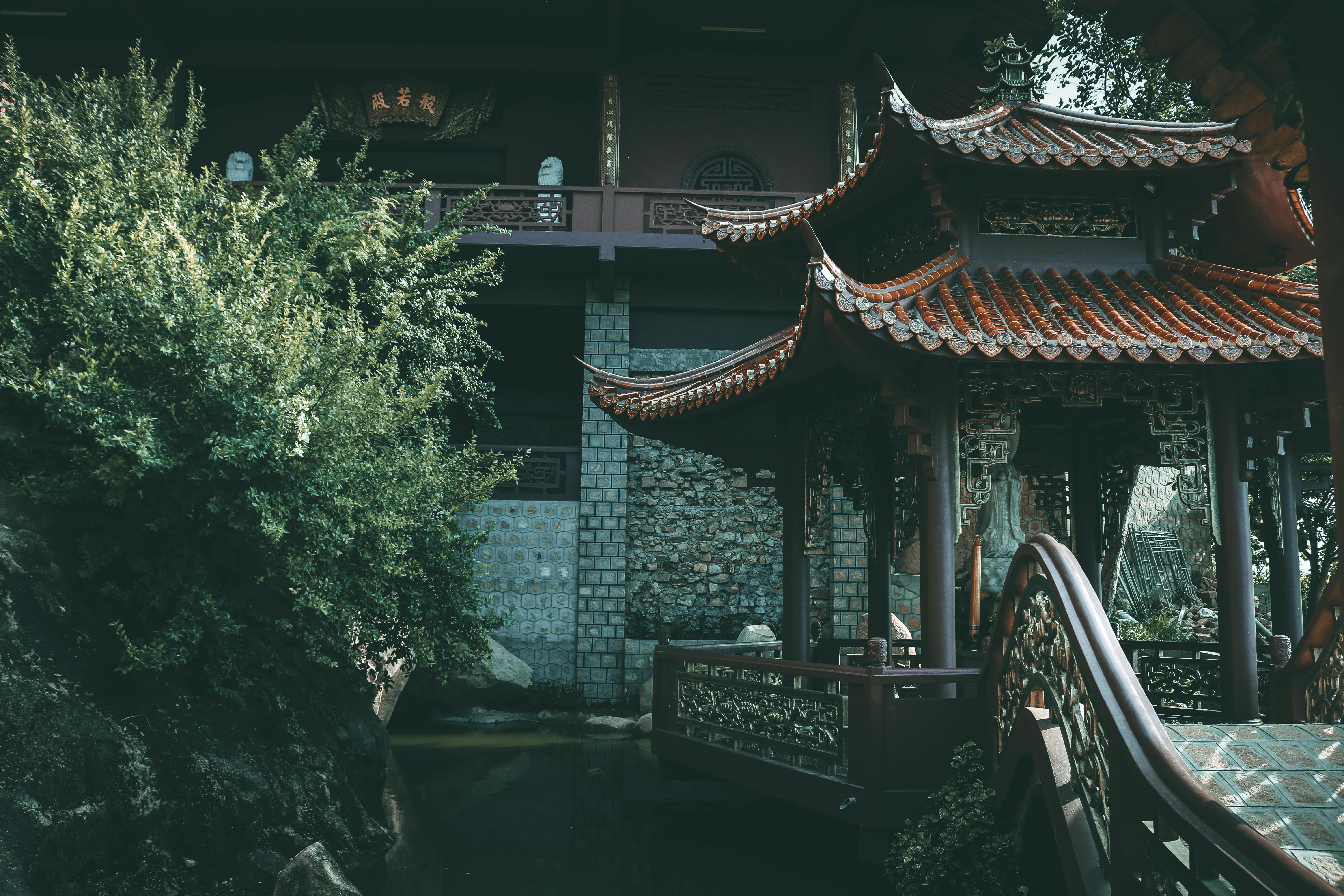
Asia is often described as a destination, but in reality, it is a collection of journeys that feel completely different from one another. Traveling through Asia is not about ticking countries off a list. It is about choosing the kind of story you want to step into.
For some travelers, Asia is their first long-haul adventure. For others, it is a place they return to again and again, drawn by culture, food, landscapes, or even scenes they once saw on screen. A quiet street in Japan, a dramatic coastline in South Korea, or a slow river town in Southeast Asia can feel familiar long before you arrive, shaped by films, books, and shared travel memories.
At Lalahappy, we approach Asia travel destinations through context rather than rankings. Instead of asking where everyone is going, we focus on why certain places matter, how they are experienced in real life, and what kind of traveler they suit best. This hub page is designed to help you understand Asia as a travel concept, explore destinations through stories and real locations, and choose a place that fits your time, curiosity, and pace.
Whether you are planning your first trip or looking for a different side of Asia, this is where your exploration begins.
How to Think About Asia as a Travel Destination
Asia is not a place you “do” in one trip. It is a continent where distance, culture, and rhythm vary so widely that two journeys can feel unrelated, even if they are only a short flight apart. Understanding this early helps you plan better and travel more intentionally.

One of the biggest mistakes travelers make is treating Asia as a single experience. In reality, traveling through Asia is about choosing depth over distance. Spending ten days in one region often reveals more than rushing through three countries. Cities, rural areas, islands, and mountain regions each offer entirely different ways of traveling, and none of them should be compared on the same scale.
Another key shift is pacing. Travel in Asia often rewards slowing down. Meals take time, transport may be less predictable, and cultural interactions are rarely rushed. What looks close on a map can feel far once you factor in terrain, weather, and local rhythms. Planning fewer stops usually leads to richer experiences.
It also helps to think in terms of regions rather than borders. Northern and southern Japan feel culturally distinct. Coastal Vietnam offers a different experience from its central highlands. In South Korea, urban film locations tell a different story than rural landscapes. When you travel with regional context in mind, destinations make more sense and feel less overwhelming.
Most importantly, Asia travel is shaped by intention. Are you traveling to understand a culture, to follow a story you saw on screen, to rest, or to challenge yourself with something unfamiliar? Once that intention is clear, choosing the right destination becomes easier, and the journey feels more personal.
Looking for the best Asia travel guide by country? Start with the list below—each destination links to detailed guides, travel ideas, and local insights.
| Country | Region | Travel Guide |
|---|---|---|
| Vietnam | Southeast Asia | Coming Soon |
| Thailand | Southeast Asia | Coming Soon |
| Indonesia | Southeast Asia | Coming Soon |
| Malaysia | Southeast Asia | Coming Soon |
| Singapore | Southeast Asia | Coming Soon |
| Philippines | Southeast Asia | Coming Soon |
| Cambodia | Southeast Asia | Coming Soon |
| Japan | East Asia | Coming Soon |
| South Korea | East Asia | Coming Soon |
| China | East Asia | Coming Soon |
| Taiwan | East Asia | Coming Soon |
| India | South Asia | Coming Soon |
| Sri Lanka | South Asia | Coming Soon |
| Nepal | South Asia | Coming Soon |
| Maldives | South Asia | Coming Soon |
Asia Travel Destinations by Travel Intention
Choosing where to go in Asia becomes much easier when you start with intention rather than popularity. Different destinations across the continent serve very different types of travelers, and understanding this helps you avoid trips that look good on paper but feel mismatched in real life.

Traveling to Asia for the First Time
For first-time visitors, the best Asia travel destinations are often places with clear infrastructure, strong public transport, and a gentle cultural learning curve. These destinations allow travelers to experience something new without feeling overwhelmed. Cities and regions that balance tradition with modern systems make it easier to focus on discovery rather than logistics.
First-time trips to Asia are usually more rewarding when they focus on one country or even one region. This creates space to adapt, observe, and enjoy the cultural differences that make the journey memorable.

Traveling to Asia for Culture and History
If your main goal is cultural depth, Asia offers destinations where history is still part of daily life. Temples, old neighborhoods, traditional crafts, and local rituals are not staged for visitors but woven into everyday routines. These destinations reward travelers who enjoy learning through observation and slow exploration.
Cultural travel in Asia often means accepting contrasts. Ancient structures stand beside modern buildings, and traditions continue to evolve rather than remain frozen in time. Choosing destinations with strong regional identity helps make sense of these layers.
Traveling to Asia Inspired by Movies and Television
Film and television have quietly reshaped how many people experience Asia. Scenes seen on screen often create an emotional connection long before a trip begins. Traveling to Asia through film locations offers a way to explore places through storytelling rather than sightseeing.
What appears cinematic on screen may feel very different in real life, and that contrast is part of the experience. Visiting filming locations in Asia often leads travelers beyond famous landmarks into neighborhoods, landscapes, and regions that feel more authentic and lived-in.
Traveling to Asia for Slow Travel
Slow travel in Asia is less about moving slowly and more about staying present. Certain destinations naturally encourage longer stays, fewer daily plans, and deeper engagement with local life. These places are well suited to travelers who prefer walking, local food, and unstructured days.
Slow travel destinations often reveal themselves gradually. Markets, cafes, riverside walks, and daily routines become highlights rather than major attractions. Asia offers many regions where this style of travel feels natural rather than forced.
Traveling to Asia as a Solo Traveler
Asia can be an incredibly rewarding place for solo travelers, especially those who enjoy independence paired with social openness. Some destinations make it easy to meet people, navigate transportation alone, and feel comfortable exploring at your own pace.
Solo travel in Asia often builds confidence quickly. Cultural norms around hospitality, food, and shared spaces create opportunities for connection, even without a travel companion. Choosing destinations that match your comfort level and travel experience is key to enjoying the journey fully.
Well Known vs. Lesser Known Asia Destinations
Some places in Asia are instantly recognizable. They appear on postcards, travel guides, and social media feeds, often becoming symbols of an entire country. These well known destinations are popular for a reason. They are visually striking, culturally important, and often easier to access for travelers with limited time.

Lesser known destinations, on the other hand, offer a different kind of reward. They are not necessarily better or more authentic, but they tend to feel quieter and more personal. These places often exist just beyond the main travel routes, where daily life continues with less interruption from tourism.
The difference between well known and lesser known destinations is not about popularity alone. It is about context and timing. Famous cities and landmarks can be deeply enjoyable when visited with realistic expectations and thoughtful pacing. Lesser known regions often shine when travelers are willing to stay longer, move slower, and adapt to local rhythms.
Choosing between these two is not a moral decision. It is a practical one. Some trips benefit from the structure and services found in established destinations. Others feel richer when spent in places that encourage observation rather than comparison. In Asia, both experiences can exist within the same journey, offering balance rather than contrast.
Understanding this distinction helps travelers avoid disappointment and overplanning. Instead of chasing what is trending, it becomes easier to choose destinations that align with personal curiosity, comfort level, and travel goals.

Practical Realities of Traveling in Asia
Traveling in Asia is often less about complexity and more about adjustment. Practical considerations shape how a trip feels day to day, and understanding them early helps reduce friction and unrealistic expectations.
Distances in Asia can be deceptive. What looks close on a map may take longer due to geography, weather, or transport connections. Planning with extra time allows journeys to unfold more smoothly and leaves room for unplanned discoveries. Rushing between destinations often leads to fatigue rather than fulfillment.
Visas and entry requirements vary widely across the continent, but the most important principle is preparation rather than memorization. Rules change, processes differ, and assumptions based on one country rarely apply to another. Checking official sources and planning ahead creates flexibility instead of stress.
Connectivity is another modern travel reality. While major cities are usually well connected, coverage can change quickly between regions. Reliable internet access affects navigation, translation, accommodation bookings, and communication. Thinking about connectivity as part of travel planning, rather than an afterthought, makes moving through Asia significantly easier.
How to Choose the Right Asia Destination for You
Choosing the right Asia travel destination is less about finding the most popular place and more about understanding how you like to travel. Asia offers an enormous range of experiences, and clarity about your own preferences makes the decision far easier.
Start with time. A shorter trip benefits from fewer locations and simpler transport routes. Longer stays allow for regional exploration and slower pacing. Matching your destination to the time you have prevents rushed itineraries and travel fatigue.
Next, consider comfort and curiosity. Some travelers enjoy navigating unfamiliar systems and languages, while others prefer a softer introduction to cultural differences. Neither approach is better. The key is choosing a destination that challenges you just enough to feel rewarding, not overwhelming.
Think about what stays with you after a trip. For some, it is food and everyday life. For others, it is landscapes, history, or stories connected to films and books. Asia travel destinations resonate differently depending on what you value most, and recognizing this shapes a more meaningful journey.
Finally, allow space for change. Many travelers arrive in Asia with a plan and leave with a different understanding of what they enjoy. Choosing a destination that allows flexibility, rest, and reflection often leads to the most memorable experiences.
When the destination fits your intention, the journey feels less like travel and more like presence.
FAQs About Asia Travel Destinations
Is Asia safe for travelers?
Asia is generally safe for travelers, especially those who plan thoughtfully and stay aware of their surroundings. Safety levels vary by country and region, but many destinations in Asia are well accustomed to international visitors. Like anywhere else, understanding local customs, transport norms, and common travel risks goes a long way toward a smooth experience.
Is Asia suitable for first-time international travelers?
Yes, many Asia travel destinations are well suited to first-time international trips. Some countries offer excellent infrastructure, clear transport systems, and a strong tourism culture, making it easier to adjust to new environments. Choosing one destination or region rather than trying to see too much helps first-time travelers feel more confident and relaxed.
What is the best Asia destination to start with?
There is no single best destination, but the right starting point depends on your travel style, time, and comfort level. Destinations that balance modern convenience with cultural depth are often easier introductions. Starting with a place that matches your pace and expectations is more important than choosing what is most popular.
Can you visit filming locations in Asia?
Yes, many filming locations across Asia are real places that can be visited. These range from city streets and historic buildings to natural landscapes and small towns. It is important to remember that many filming locations are part of everyday life, not dedicated attractions. Visiting respectfully helps preserve the atmosphere that made these places special.
How long should I plan for an Asia trip?
The ideal length of an Asia trip depends on distance, destination, and travel goals. Short trips work best when focused on one city or region, while longer stays allow for slower travel and deeper exploration. Planning fewer destinations usually leads to a more meaningful experience than trying to cover too much ground.
Do I need internet access while traveling in Asia?
Internet access plays an important role in modern travel across Asia. It helps with navigation, translation, bookings, and staying connected. While connectivity is widely available in many areas, coverage can vary by region. Planning how you will stay connected before you travel makes moving through Asia significantly easier.
Check the latest movie’s filming location in Asia here.