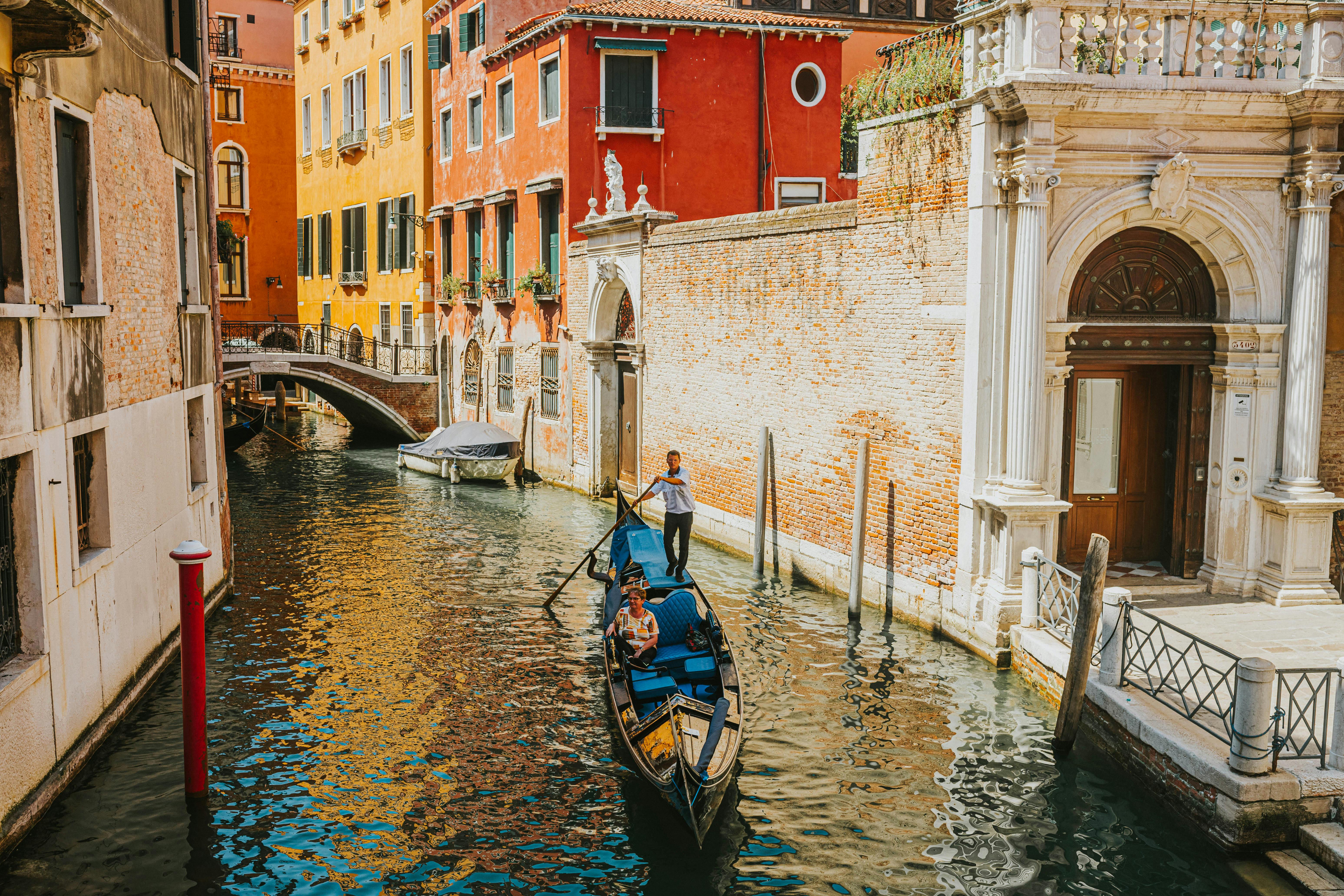
Europe is often imagined through famous cities and iconic landmarks, but traveling through Europe is less about collecting places and more about understanding layers of history, culture, and everyday life. Each journey across Europe feels different, even when distances are short, shaped by regional identities, seasons, and stories that stretch back centuries.

For some travelers, Europe is a first step into international travel, familiar yet full of contrast. For others, it is a continent they return to repeatedly, drawn by art, architecture, food, landscapes, or places they first encountered through films, literature, and history lessons. A café in Paris, a quiet street in Rome, or a coastal village in Portugal often carries meaning beyond what appears on a map.
At Lalahappy, we approach Europe travel destinations through intention rather than rankings. Instead of asking which places are the most popular, we focus on why certain destinations resonate, how different regions feel in real life, and what kind of journey they support. This hub page is designed to help you think clearly about Europe as a travel experience, explore destinations through stories and cultural context, and choose places that match your pace, curiosity, and time.
Whether Europe is new to you or already familiar, this is a place to begin exploring it with more depth and less noise.
Europe is home to some of the world’s most iconic travel destinations—from historic cities and medieval villages to breathtaking coastlines and mountain landscapes. Browse the list of European countries below and explore detailed travel guides for each destination.
| Country | Region | Travel Guide |
|---|---|---|
| Italy | Southern Europe | Coming Soon |
| France | Western Europe | Coming Soon |
| Spain | Southern Europe | Coming Soon |
| Portugal | Southern Europe | Coming Soon |
| Greece | Southern Europe | Coming Soon |
| Germany | Central Europe | Coming Soon |
| Switzerland | Central Europe | Coming Soon |
| Austria | Central Europe | Coming Soon |
| Netherlands | Western Europe | Coming Soon |
| Belgium | Western Europe | Coming Soon |
| Croatia | Balkans | Coming Soon |
| Slovenia | Central Europe | Coming Soon |
| Albania | Balkans | Coming Soon |
| Montenegro | Balkans | Coming Soon |
| Iceland | Northern Europe | Coming Soon |
Europe Travel Destinations: How to Discover the Right Experience for Your Journey
Europe is often imagined as familiar, but traveling through it rarely feels repetitive. Within a few hours of travel, languages change, meals feel different, and centuries of history reveal themselves in new ways. Europe is not a single travel experience. It is a collection of stories shaped by region, season, and personal intention.

For some travelers, Europe is a first encounter with international travel. For others, it is a place to return to slowly, discovering smaller cities, quieter regions, and landscapes beyond famous capitals. A street seen in a film, a painting studied in school, or a historical event read about long ago can quietly shape where curiosity begins.
At Lalahappy, we approach Europe travel destinations through context rather than rankings. Instead of focusing on what is most popular, we explore how destinations feel in real life, what kind of traveler they suit best, and how stories, culture, and everyday life intersect. Europe rewards travelers who think beyond borders and plan with intention rather than checklists.
This hub page is designed to help you understand Europe as a travel concept, explore destinations through travel styles and stories, and choose experiences that match your pace, curiosity, and reasons for traveling.
How to Think About Europe as a Travel Destination
Europe is often imagined as an easy destination, but it becomes far more rewarding when it is approached with the right mindset. While countries sit close together geographically, the differences between regions, cultures, and travel rhythms are significant. Understanding this helps turn a European trip from a checklist into a meaningful journey.
One of the defining features of travel in Europe is density. History, architecture, and cultural landmarks are concentrated in small areas, especially in cities. This makes it tempting to move quickly from place to place. In practice, slowing down usually leads to deeper experiences. Spending several days in one city or region often reveals more than rushing through multiple capitals.
Europe is also shaped by regional identity rather than national borders. Northern and southern Italy feel worlds apart. The atmosphere of Andalusia differs greatly from northern Spain. Eastern and Western Europe offer different historical narratives, daily rhythms, and travel costs. Thinking in regions instead of countries helps travelers choose destinations that match their interests more accurately.
Seasonality plays a central role in how Europe feels. Summer brings long days, festivals, and crowds. Shoulder seasons offer calmer streets and softer light. Winter transforms cities and landscapes entirely, shifting the focus from outdoor sightseeing to food, museums, and local life. The same destination can feel completely different depending on when you visit.
Another important factor is movement. Europe’s train networks, walkable cities, and short travel distances create a sense of accessibility. At the same time, constant movement can become exhausting. Choosing fewer bases and exploring them thoroughly often leads to a more relaxed and memorable trip.
Above all, Europe rewards intention. Whether you are drawn to art, history, food, nature, or stories shaped by film and literature, choosing destinations that align with that curiosity makes travel feel purposeful rather than overwhelming. When Europe is approached thoughtfully, it becomes less about seeing everything and more about understanding where you are.

Europe Travel Destinations by Travel Intention
Europe becomes easier to navigate when you think in terms of intention rather than geography. Distances are short, borders are close, and experiences change quickly from one region to another. What truly shapes a European trip is not how many countries you visit, but why you are traveling in the first place.
Traveling to Europe for the First Time
For first-time visitors, Europe often feels familiar and unfamiliar at the same time. Many destinations offer strong infrastructure, walkable cities, and well connected transport systems, making them easier to navigate even without prior international travel experience. These places balance iconic landmarks with everyday life, allowing travelers to absorb history without constant logistical pressure.
A first Europe trip is usually more enjoyable when it focuses on a small number of cities or regions. Staying longer in fewer places helps travelers understand local rhythms, rather than experiencing Europe as a blur of train stations and highlights.
Traveling to Europe for Art, History, and Culture
Europe is deeply layered with history, but cultural travel here is not limited to museums and monuments. Art, architecture, and tradition are embedded in streets, cafes, and neighborhoods. Some destinations reward travelers who enjoy context, patience, and observation more than fast sightseeing.
Cultural travel in Europe often means noticing contrasts. Medieval streets exist alongside modern life, and historical narratives differ from one region to another. Choosing destinations with strong regional identity allows travelers to engage with Europe’s diversity beyond surface impressions.

Traveling to Europe for Nature and Landscapes
While Europe is often associated with cities, many travelers are drawn to its natural variety. Coastlines, mountains, forests, and islands are often within a few hours of major urban centers. These destinations suit travelers who prefer scenery, outdoor movement, and seasonal experiences.
Nature-focused travel in Europe is shaped by timing. Weather, daylight, and local seasons influence how landscapes are experienced. Choosing destinations that align with the time of year is more important than choosing what looks impressive on a map.

Traveling to Europe for Slow Travel
Slow travel fits naturally into many parts of Europe, especially in regions where daily life centers around food, walking, and local routines. These destinations are ideal for travelers who enjoy staying in one place, returning to the same cafe, and exploring without a strict schedule.
Slow travel in Europe often reveals itself in small details. Markets, neighborhood streets, and regional traditions become highlights rather than major attractions. This style of travel favors depth and familiarity over variety.
Traveling to Europe Beyond the Usual Routes
Some travelers come to Europe looking for places that feel less curated and less crowded. Lesser known cities and regions often provide this experience, offering strong local character without the pressure of constant comparison to famous landmarks.
Exploring Europe beyond the usual routes requires flexibility and curiosity. These destinations may offer fewer guidebook moments, but they often provide a stronger sense of place. For travelers who value discovery over recognition, this approach can feel especially rewarding.
Europe Through Stories, Film, and Cultural Heritage
Europe is one of the most story-rich travel regions in the world. Long before many travelers arrive, they already carry images shaped by films, novels, paintings, and historical narratives. Walking through Europe often feels like stepping into places that have been imagined many times before.
Cities, villages, and landscapes across Europe are deeply layered. A single street can hold traces of Roman foundations, medieval trade routes, wartime history, and modern daily life all at once. This density of heritage is what gives European travel its distinctive emotional weight. You are rarely just visiting a place. You are entering a continuum of stories.
Film and television have amplified this connection. European destinations frequently appear as themselves on screen, rather than standing in for somewhere else. Historic neighborhoods, coastal towns, mountain regions, and grand city squares become part of global cultural memory. Visiting these locations allows travelers to see how cinematic images compare with lived reality, often revealing quieter, more nuanced details beyond the frame.
Cultural heritage in Europe is not limited to monuments or museums. It is present in food traditions, local festivals, regional languages, and everyday rituals. These elements vary dramatically between regions, even within the same country. Traveling with an awareness of this diversity helps avoid the mistake of seeing Europe as culturally uniform.
At Lalahappy, we explore Europe by connecting places to the stories that shaped them, whether through film, history, or local tradition. Understanding this context transforms travel from sightseeing into interpretation. It encourages travelers to slow down, observe more closely, and experience Europe as a living narrative rather than a collection of landmarks.
Well Known vs Lesser Known Europe Destinations
Europe is often introduced through its most famous cities. Paris, Rome, London, Barcelona, and Amsterdam have shaped how the world imagines European travel. These destinations are deeply influential, layered with history, art, and infrastructure built around visitors. Their popularity is not accidental, and for many travelers, they provide a strong and satisfying first connection to Europe.
Lesser known Europe destinations tell a quieter story. They may not appear on postcards as often, but they reveal how daily life unfolds beyond capital cities and headline attractions. Smaller towns, regional cities, and rural areas often preserve local rhythms, traditions, and landscapes that feel less mediated by tourism. These places tend to reward longer stays and slower exploration.
The distinction between well known and lesser known destinations is not about authenticity versus tourism. It is about scale and expectation. Famous European destinations offer concentration. Art, architecture, food, and history are densely packed, making them ideal for shorter trips or first visits. Lesser known destinations offer space. Streets feel less hurried, interactions more personal, and experiences unfold gradually rather than immediately.
Timing also plays a role. Well known destinations can feel entirely different depending on season, time of day, and neighborhood. Lesser known places often remain consistent year round, making them appealing to travelers who prefer predictability and calm. Many of the most balanced European journeys combine both, using major cities as gateways before moving outward into regions that provide contrast and depth.
Understanding this balance helps travelers choose destinations more intentionally. Rather than avoiding popular places or chasing what is undiscovered, it becomes easier to design a journey that reflects personal pace, curiosity, and comfort. In Europe, both the iconic and the overlooked contribute meaningfully to how a trip is remembered.
Practical Realities of Traveling in Europe
Traveling in Europe often looks effortless from the outside, but the experience on the ground is shaped by practical details that vary widely from one region to another. Understanding these realities helps travelers move through Europe with more confidence and fewer surprises.
Distances in Europe are relatively short, yet travel time can still add up. While high-speed trains connect many major cities, routes between regions or rural areas often require slower connections or multiple transfers. Planning with realistic travel days rather than assuming everything is close makes itineraries feel calmer and more enjoyable.
Seasons play a significant role in how Europe feels as a destination. Summer brings long daylight hours and vibrant city life, but also crowds and higher prices in popular regions. Shoulder seasons often offer a better balance of atmosphere and accessibility, while winter travel shifts the experience toward culture, local routines, and seasonal traditions rather than sightseeing alone.
Borders in Europe are easier to cross than in many parts of the world, but cultural differences remain distinct. Language, dining habits, daily schedules, and social norms can change quickly from one country to the next. Approaching Europe as a collection of regions with unique identities rather than a single uniform experience helps travelers adapt more naturally.
Connectivity, transportation apps, and digital planning tools have become part of everyday travel in Europe. Internet access supports navigation, reservations, translations, and spontaneous changes to plans. While most urban areas are well connected, coverage and reliability can vary in rural regions or on longer train journeys, making it worth considering connectivity as part of trip preparation.
Budget expectations also differ significantly across Europe. Western and Northern Europe tend to be more expensive, especially in major cities, while parts of Southern and Eastern Europe offer more affordable daily costs. Aligning destinations with budget comfort helps avoid constant trade-offs during the trip.
When these practical realities are understood, traveling in Europe becomes less about managing logistics and more about experiencing place. The journey feels grounded, flexible, and open to discovery rather than tightly controlled.
How to Choose the Right Europe Destination for You
Choosing the right Europe travel destination starts with understanding how you prefer to experience a place, not how many cities you can fit into one trip. Europe offers dense history, short travel distances, and strong regional identities, which means small choices can significantly shape how a journey feels.
Time is the first filter. A short trip works best when focused on one city or a compact region connected by rail. Longer stays allow you to move beyond major capitals and experience smaller towns, countryside, or coastal areas at a slower pace. Trying to cover too much often turns Europe into a checklist rather than a lived experience.
Seasonality also matters. Europe changes dramatically throughout the year. Summer brings energy and long days but also crowds. Spring and autumn often offer better balance, with fewer visitors and more comfortable pacing. Winter trips can be rewarding for culture, food, and atmosphere, especially in cities, even if outdoor sightseeing is limited.
Think about how you like to move. Some travelers enjoy walking cities, museums, and cafes. Others prefer landscapes, coastlines, or road trips. Europe supports both styles, but rarely at the same speed. Choosing destinations that align with your preferred rhythm makes travel feel intuitive rather than exhausting.
Finally, consider what you want to take home from the trip. For some, it is art and history. For others, it is food, everyday life, or stories connected to films and cultural heritage. Europe travel destinations resonate differently depending on what you value most, and recognizing this helps transform a good trip into a meaningful one.
FAQs About Europe Travel Destinations
Is Europe safe for travelers?
Europe is generally safe for travelers, particularly in well visited cities and regions with established tourism infrastructure. As with any destination, awareness of surroundings and local norms helps ensure a smooth experience. Safety levels can vary by country and region, so planning with context is always beneficial.
What is the best time to visit Europe?
The best time to visit Europe depends on travel style and priorities. Spring and autumn often offer a balance of pleasant weather and fewer crowds. Summer is ideal for outdoor life and festivals, while winter highlights cultural traditions, museums, and seasonal atmospheres in many cities.
Should I focus on cities or countryside in Europe?
Both offer very different experiences. Cities provide concentrated culture, history, and convenience, while countryside and smaller towns often reveal slower rhythms and local life. Many travelers enjoy combining one major city with a nearby region to balance energy and calm.
Is Europe suitable for first time international travelers?
Yes, Europe is often well suited to first time international travel. Clear transport systems, walkable cities, and widespread visitor services make navigation easier. Choosing one country or region rather than multiple stops helps first time travelers feel more comfortable.
Can Europe be traveled slowly?
Europe is ideal for slow travel. Regional trains, walkable towns, and strong local identities make it easy to stay longer in one place and explore deeply. Slow travel often reveals everyday details that faster itineraries miss.