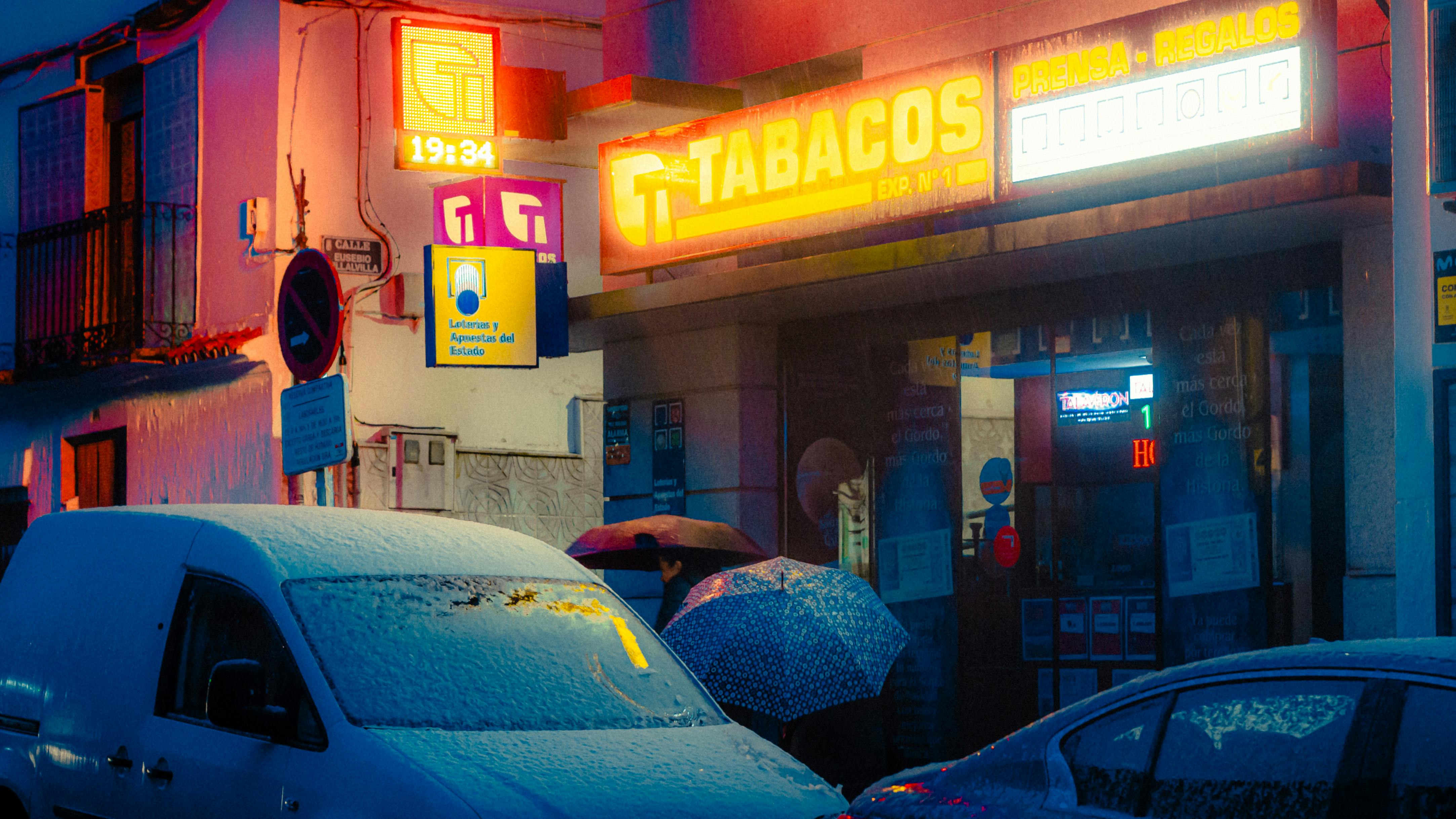
Madrid has a very particular magic after dark. Streets glow warm gold, monumental plazas feel theatrical, and even everyday corners look like film sets. That’s exactly the atmosphere The Night My Dad Saved Christmas 2 taps into. While the movie doesn’t publish an official, scene-by-scene filming map, it clearly leans into Madrid’s most iconic night landmarks—the places locals and filmmakers alike use to instantly signal “you’re in Madrid.”
This guide is designed as a cinematic night walk through the city: landmarks that match the movie’s holiday tone, can realistically be visited after sunset, and work beautifully as a connected route. Whether you’re a fan of the film or just want a memorable Madrid evening, this is how to experience the city like a Christmas movie set.
Quick list: the best Madrid landmarks to visit at night
If you want the highlights before diving deep, these are the must-sees:
- Plaza de Cibeles & Cibeles Fountain – Madrid’s ultimate postcard at night
- Gran Vía – neon lights, theaters, and big-city energy
- Puerta del Sol – the city’s beating heart after dark
- Plaza Mayor – storybook square with Christmas-market vibes
- Royal Palace & Plaza de Oriente – grand, elegant, and cinematic
- Almudena Cathedral – dramatic lighting beside the palace
- Plaza de España – a spacious, relaxed finale to the walk
All are free to visit, safe with basic precautions, and within a comfortable walking distance of each other.
Before you go: Madrid night sightseeing basics
Madrid is one of Europe’s best cities for nighttime exploration. The center stays lively well into the evening, especially around Gran Vía, Sol, and Plaza Mayor.
Getting around
- Walking is ideal for this itinerary.
- Metro runs late (until around 1:30 a.m.).
- Taxis and rideshares are plentiful if you get tired.
Best time
- Sunset to 8 p.m. for glowing skies and first lights.
- 9–11 p.m. for fewer crowds and calmer plazas.
What to wear
- Winter evenings are cold but dry: warm layers, comfortable shoes, scarf.
- Christmas season means lots of standing and strolling—comfort matters.
Safety
- Stick to well-lit areas.
- Watch your belongings in busy squares like Sol and Plaza Mayor.
- Otherwise, central Madrid is generally very safe at night.
Stay Connected While Exploring Madrid’s Movie Locations
Walking Madrid at night means checking maps, matching filming spots, and sharing photos in real time. Skip roaming fees and unreliable Wi-Fi with a fast, easy Spain eSIM.
- Instant activation — no physical SIM card
- Reliable coverage across Madrid and Spain
- Perfect for navigation, photos, and travel apps
Landmark-by-landmark night guide
Plaza de Cibeles & Cibeles Fountain
If Madrid had a single “establishing shot,” this would be it. The Cibeles Fountain, surrounded by grand buildings and flowing traffic, is the city’s most cinematic night landmark. Illuminated stone, moving lights, and the sheer scale of the roundabout make it feel instantly movie-ready.

Why it fits the movie vibe:
Big, symbolic, and unmistakably Madrid—exactly the kind of place a Christmas film uses to say, “This is the city.”
Best photo spots:
- From the sidewalk near the Palacio de Cibeles
- Slightly back from the fountain for a wide-angle shot
Nearby add-on:
Walk south along the Paseo del Prado for a calmer, elegant transition to your next stop.
Palacio de Cibeles
Once Madrid’s main post office and now City Hall, Palacio de Cibeles looks especially dramatic at night. Its white façade reflects the lights beautifully, giving it a slightly fairytale feel.
What to do:
Even if you don’t go inside, pause for photos and take in the symmetry of the building. It’s a perfect “pause moment” early in the walk.

Paseo del Prado & Plaza de la Lealtad
This stretch feels quieter and more refined than Gran Vía. Tree-lined, spacious, and softly lit, it acts as a cinematic “breathing space” between major scenes.
Why it works:
Films love contrast—this elegant boulevard balances the busier streets later in the walk.
Gran Vía
If Cibeles is the opening shot, Gran Vía is the main sequence. This is Madrid’s most famous street: theaters, classic cinema façades, glowing signs, and constant motion.
Why it fits the movie vibe:
Gran Vía looks like a Christmas movie set even when no movie is filming. Lights, crowds, and energy sell the holiday atmosphere instantly.
Best mini-walk:
From Callao toward Plaza de España—this stretch has the densest lights and most dramatic perspectives.
What to do:
Take photos looking straight down the avenue for that “city-at-night” shot
Window-shop
Grab roasted chestnuts from a street vendor
Puerta del Sol
Sol is chaotic, loud, and alive—and that’s exactly the point. At night, street performers, shoppers, and late diners give it constant motion.
Why it belongs on the list:
Almost every Madrid-set story passes through Sol. It’s a natural “meeting point” scene location.
Tip:
Step slightly back from the center for better photos and fewer people in the frame.

Plaza Mayor
Plaza Mayor is where Madrid feels most like a Christmas postcard. Enclosed, symmetrical, and glowing from within, it’s especially magical after dark.
Why it fits a Christmas movie:
During the holidays, stalls sell ornaments and lights reflect off the cobblestones. Even outside peak season, the square keeps that cozy, old-world feel.
Best time:
Later in the evening (after 9 p.m.) when day-trippers leave.
Nearby treat:
Hot chocolate and churros nearby make this a perfect mid-walk break.
Royal Palace (Palacio Real) & Plaza de Oriente
The Royal Palace at night is pure elegance. Lit from below, it dominates the skyline without feeling overwhelming.
Why it works cinematically:
Grand architecture + open space = instant drama. This is where movies slow down and let the setting speak.
Best views:
- From Plaza de Oriente for symmetry
- From slightly lower ground for a more imposing angle
Almudena Cathedral
Right next to the palace, Almudena Cathedral feels especially striking at night. Its modern-meets-classic façade catches light differently, making it stand out in photos.
What to do:
Pause on the steps, look back toward the palace, and take in one of Madrid’s most impressive nighttime compositions.

Plaza de España
Recently renovated, Plaza de España is open, spacious, and calmer than earlier stops. It’s a natural endpoint for the walk.
Why end here:
After busy streets and packed squares, this plaza gives you room to breathe—perfect for a final scene.
Optional extension:
Continue back onto Gran Vía or stop for a late dinner nearby.
The ideal “movie-night” walking route
Cibeles → Paseo del Prado → Gran Vía → Puerta del Sol → Plaza Mayor → Royal Palace & Almudena → Plaza de España
- Distance: ~3 km
- Time: 2.5–3 hours without long stops, 4 hours with food and photos
- Pace: relaxed, very doable for most travelers
This route naturally builds: elegant → energetic → cozy → grand → calm.
Best photo spots & cinematic checklist
To recreate the Night My Dad Saved Christmas 2 feeling, look for:
- Warm street lighting
- Wide plazas with depth
- Stone buildings that reflect light
- Holiday décor or classic signage
Shot ideas
Dramatic wide shot of the Royal Palace
Wide establishing shot at Cibeles
Long-perspective street shot on Gran Vía
Cozy close-up under the arches of Plaza Mayor
Final thoughts
You don’t need an official filming map to experience Madrid the way The Night My Dad Saved Christmas 2 presents it. By walking these landmarks after dark, you get the same ingredients filmmakers rely on: light, scale, movement, and atmosphere.
If you want to go even deeper, rewatch the movie and note exterior shots—you’ll start recognizing these spaces immediately. Madrid doesn’t just host Christmas movies; at night, it becomes one.
FAQs
In which city was the movie filmed?
Are the Christmas markets shown in the film real locations in Madrid?
Was the villain’s toy company headquarters filmed in a real office building?
Which specific Madrid plazas appear during the Santa rescue scenes?
Did production take place during the actual Christmas season or was the “snow” fake?
Is the North Pole workshop a physical set or entirely CGI?
Were any scenes filmed at the famous Hospital del Niño Jesús like in the first movie?
Is the “re-education center” for elves a real historic building in Spain?
Are there any scenes filmed outside of Spain for the sequel?
Can tourists visit the specific street locations seen during the “imposter Santa” chase?
Check my lastest post here:
