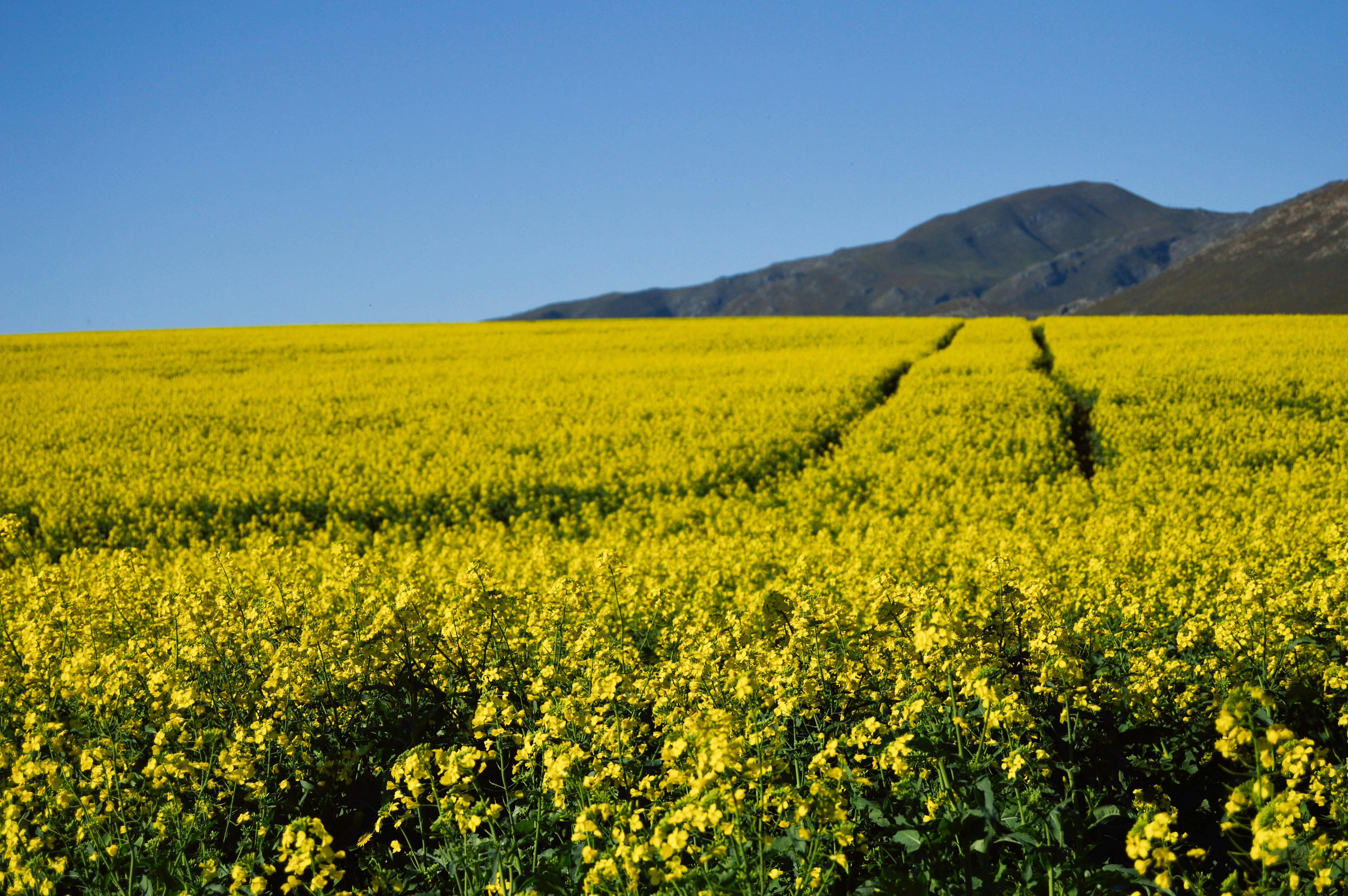
When When Life Gives You Tangerines aired, one particular romantic moment instantly settled into viewers’ hearts. The beautiful yellow blossoms, the shy glances, the slowly closing distance, and the quiet intensity wrapped inside nature’s warmth. It was the kind of Kdrama first kiss that feels both cinematic and incredibly human. Naturally, many fans wanted to know where it was filmed, especially since the series is deeply associated with Jeju Island’s beauty.
For many viewers, the answer seemed obvious. Jeju has one of the most famous yellow flower roads in Korea, Nokson Road, known for its endless lines of canola flowers each spring. Travel photos and tourism campaigns often feature golden fields stretching beside the road, creating postcard perfect scenery. So fans were convinced that the kiss scene had to be filmed there.
But here is where the story becomes even more interesting. The iconic kiss was not filmed on Nokson Road at all.
If you are planning a Kdrama inspired journey, love unraveling filming secrets, or simply want to understand why the scene looked the way it did, this detailed guide explains everything. Let us dig into the truth, the real filming spot, and how you can still experience the “yellow flower magic” both in Jeju and in the actual shooting location.
Why The Yellow Flower Kiss Scene Captured So Many Hearts
The kiss scene is not just a romantic beat. It is a turning point in emotional storytelling. The drama spends a lot of time showing how life in Jeju shapes its characters. Dreams, responsibilities, poverty, love, and time all move slowly, like wind drifting through an endless field. So when the first kiss finally happens, the setting matters.
Yellow flowers in Korean dramas often symbolize warmth, hope, and the kind of love that feels gentle rather than explosive. Instead of dramatic lighting or extravagant city scenery, this kiss happens in nature, under open skies, surrounded by fields that feel alive and breathing. The flowers do not overpower the moment. They frame it and soften it, making the scene tender and grounded in everyday beauty.
This simplicity is exactly why people fell in love with it. It felt real. It felt like something that could happen quietly in a corner of someone’s life, not just inside a scripted romance. And because the drama is associated so closely with Jeju Island, fans naturally connected the flowers to one of Jeju’s most iconic locations.

The Famous Nokson Road and Why Fans Thought It Was The Location
Nokson Road, also widely written as Noksan Road, is one of Jeju’s most photographed spring landscapes. In the months when canola flowers bloom, the road transforms into a glowing ribbon of yellow stretching through open fields. Sometimes cherry blossoms bloom around the same period, creating an extraordinary mix of white and gold.
Travelers walk, cycle, and drive through this area for photos and scenic drives. For anyone who has seen Nokson Road during peak bloom, it becomes hard not to associate every beautiful yellow flower scene in Korean dramas with it. The road basically symbolizes spring romance in Korea.
Tourism images reinforced this belief. Many drama fans circulating screenshots online began pairing them with Nokson Road travel photos. Since the entire series celebrates Jeju’s daily life, the guess made perfect sense. Even some casual travel articles mistakenly suggested that the kiss happened here.
But the truth is different.
The Real Truth Behind The Filming Location
Let us answer the main question clearly.
The lead couple’s iconic first kiss among the yellow flowers was not filmed along Nokson Road in Jeju.
Instead, the production team traveled to mainland Korea and filmed it at:
Hakwon Farm in Gochang County, North Jeolla Province
This location is not on Jeju Island at all. It is part of a stunning agricultural region celebrated for its barley fields and seasonal yellow blossoms. Many Korean films and dramas prefer Gochang’s scenery when they want sweeping, cinematic, and uninterrupted fields. Check the best time to experience yourself with the field here!
Hakwon Farm offered something essential for production. It has extremely wide, open fields with consistent layouts that make filming easier from multiple camera angles. Unlike tourist heavy roads, it provides a more controlled environment. That helps maintain continuity, privacy, and visual consistency. Multiple Korean filming location reports and cultural travel sites have confirmed this.
This also explains why the kiss scene feels a bit different from typical Jeju flower imagery. The field feels broader, more layered, and more softly undulating than Jeju’s coastal flower stretches. Instead of being confined beside a road, it feels like a full world of yellow surrounding the characters.
Cinema magic then blended this location emotionally into the Jeju narrative.
A Closer Look At Hakwon Farm in Gochang
Hakwon Farm is one of Korea’s most enchanting agricultural landscapes. It is best known for its rolling green barley fields that turn vibrantly lush in spring. Depending on timing, sections of the fields also bloom with yellow flowers that create a painting like environment.

The area feels different from Jeju. It is less coastal and more country pastoral. Instead of ocean winds, you have slow moving breezes drifting across inland fields. The land stretches wide and calm, giving filmmakers the space to frame love, youth, and quiet longing without distractions.
Visitors often describe the place as peaceful rather than dramatic. There are scenic walking paths, designated viewpoints, and plenty of open ground for photography. During festival periods, the atmosphere becomes lively, but during non festival times it feels meditative and serene, almost exactly like the emotional tone of the drama.
From a filmmaking perspective, Hakwon Farm provides:
- wide cinematic landscapes
- smoother continuity between shots
- fewer interruptions from crowds compared to famous tourist roads
- flexible natural light conditions
That combination is likely why the production chose it instead of insisting on a Jeju location.
Why Filmmakers Do Not Always Use The Expected Location
Many viewers assume that all Jeju based scenes must be filmed on Jeju itself. But behind the scenes, filmmaking requires practicality. Sometimes the story wants a mood rather than a map accurate setting.
There are several reasons productions select inland or alternative locations even when the drama is set elsewhere.
First, control. Popular places like Nokson Road attract tourists, especially during blooming seasons. Filming romantic close scenes in busy areas becomes almost impossible. Crowd control, noise, and logistics increase cost and time.
Second, consistency. For a kiss scene, the crew may need to revisit the same exact frame repeatedly. Lighting changes quickly. Flowers shift. Access varies. A managed farm like Hakwon offers stability that wild or roadside flowers cannot guarantee.
Third, aesthetic needs. Directors look for specific shapes, field depth, and color density. Hakwon’s fields have more uniformity and natural curves that fit well on camera.
So while the drama feels deeply Jeju, not every frame needed to be captured there. What mattered most was emotional authenticity, not geographic precision.
So What About Nokson Road Then?
Even though Nokson Road is not the filming location of the yellow flower kiss scene, it still deserves attention because it is genuinely beautiful and very much worth visiting. If you still want to experience the yellow flower romance of Jeju, Nokson Road remains one of the best places to do it.
Best Time To Visit
The ideal period is typically from late March to mid April. Timing can shift slightly depending on yearly weather. During this window, the fields explode into bright yellow blooms that light up the landscape.
What It Feels Like
Walking or driving along this stretch feels like floating through sunlight. The flowers sway gently on both sides, creating an atmosphere that feels alive, joyful, and cinematic in its own right. Even without the drama connection, it is a beloved spot for photographers, couples, families, and solo travelers.
Tips for Visitors
Try visiting during early morning or later afternoon to avoid heavy crowds and harsh light. If you plan photography, golden hour gives the flowers the deepest glow. There are also nearby local cafes and countryside stops that make the trip even more enjoyable.
So while Nokson Road is not the kiss filming set, it still delivers the same romantic energy fans imagined.
Why Knowing The Real Location Matters
Finding the correct filming spot is more than just trivia. It deepens appreciation for both the show and Korean landscapes. Instead of limiting the romance of the scene to a single tourist highlight, we now see that the moment represents something bigger. It reflects the blend of places, lives, and emotions that Korean dramas do so beautifully.
It also gives fans new travel choices. Now you can visit both:
- Hakwon Farm in Gochang for the authentic filming scene mood
- Nokson Road in Jeju for iconic yellow flower beauty
Each offers a different personality. One is quieter and cinematic. The other is lively and iconic. Together, they reflect exactly what When Life Gives You Tangerines embodies: love rooted in ordinary places, beauty growing in daily life, and memories softened by the color of spring.
Final Thoughts
So to answer the question clearly: the yellow flower kiss did not happen on Nokson Road. It was beautifully captured at Hakwon Farm in Gochang County. Yet Nokson Road still holds a powerful place in fans’ imaginations because it represents the spirit of Jeju and the warmth we felt while watching the drama.
If you are a fan of filming locations, I highly recommend experiencing both when you can. Visit Hakwon Farm for the real cinematic field, and visit Jeju’s Nokson Road to walk through one of Korea’s most dreamy spring landscapes. Each tells part of the love story in a different way, and together they let you live inside the world the drama created, even for a little while.
If you enjoyed this deep dive into filming locations, stay around Lalahappy. More Korean drama filming guides, travel research, and behind the scenes explorations are coming your way. And if you do visit either of these places, take a quiet moment, feel the wind through the flowers, and remember that somewhere in fiction and life, love blooms in simple open spaces, just like this.

