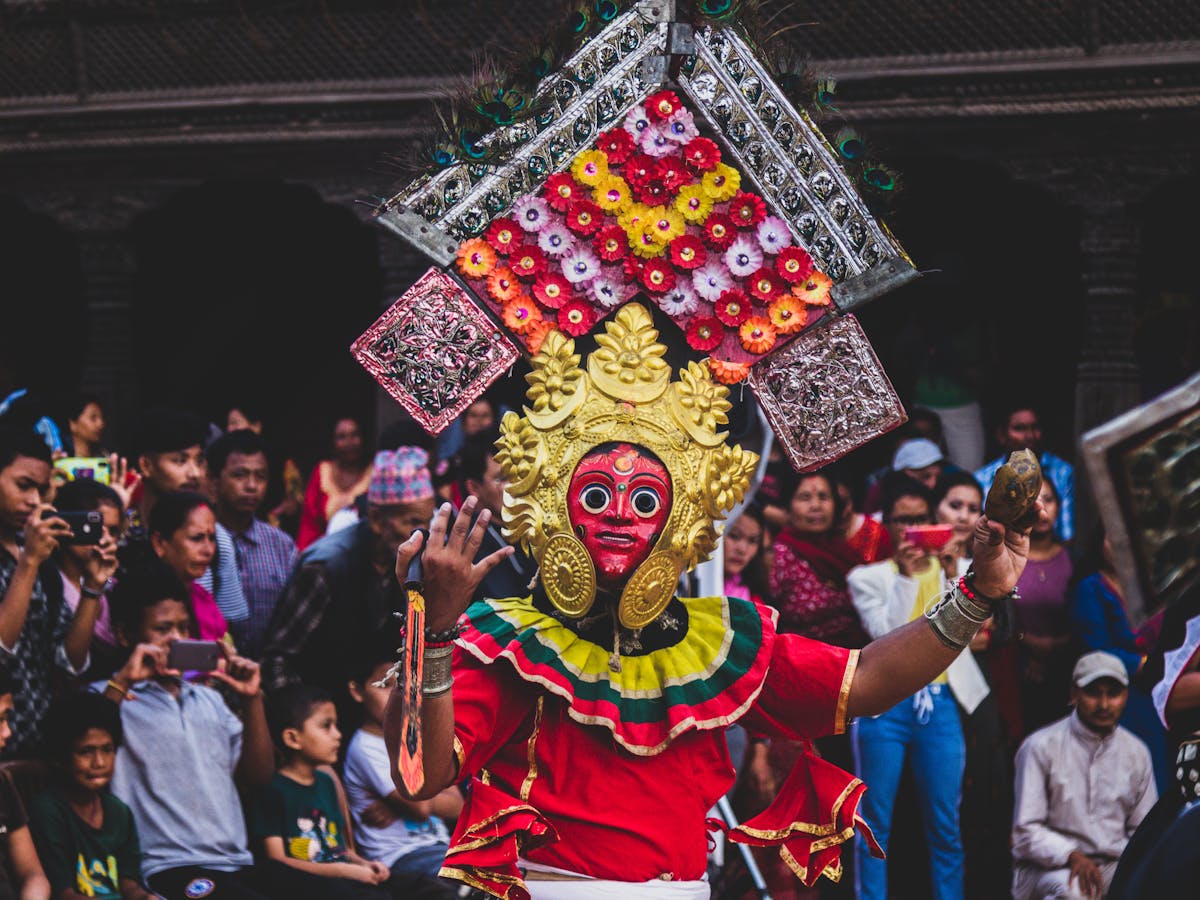
Kathmandu Valley does not announce itself like a movie set. It does something quieter. It slowly reveals itself.
The first thing you notice is the sound. Temple bells. Motorbikes weaving through narrow streets. Prayer wheels turning under practiced hands. Then the light arrives. Soft in the morning. Golden before sunset. Dust floating gently in the air like it belongs there.
If you have ever watched a film set in Nepal or inspired by it, you might recognize this feeling. Kathmandu does not need to be dressed up for the camera. It already knows how to hold attention.
So the question many travelers ask makes sense. Can you take a guided tour of famous filming locations in Kathmandu Valley?
The answer is yes, but not in the way you might expect. There are no official movie tours with branded buses and scene reenactments. What you find instead is something more fitting. Cultural tours, heritage walks, and local guides who move easily between history, daily life, and the places filmmakers quietly fall in love with.
This is a guide to seeing Kathmandu Valley through a cinematic lens. Not by chasing scenes, but by understanding why so many stories choose to unfold here.

Why Kathmandu Valley Attracts Filmmakers
Kathmandu Valley feels layered. Not staged, not preserved behind glass. Life continues exactly where history lives.
For filmmakers, this is rare.
Within a small geographic area, you find ancient palaces, active temples, crowded markets, quiet monasteries, and hilltops that open into wide views of the Himalayas on clear days. The architecture is detailed and weathered. The streets feel intimate. The rituals are real, not performed for visitors.
Kathmandu often appears on screen as a place of spiritual transformation, mystery, or self discovery. Sometimes it plays itself. Other times it stands in for a more abstract idea of the Himalayas or inner awakening.
What draws filmmakers here is not just beauty. It is authenticity. The valley does not pretend to be timeless. It simply keeps going.
That honesty is what gives films shot here their emotional weight.

Which Movies Were Filmed in Kathmandu Valley?
Kathmandu Valley has appeared in international cinema, independent films, and documentaries for decades. Sometimes clearly named. Sometimes subtly woven into the story.
Doctor Strange (2016)
Kathmandu plays a central role in Doctor Strange, both visually and symbolically. The city represents a turning point. A place where the main character lets go of certainty and begins learning something deeper.
While some scenes were recreated on sets, the inspiration came directly from real places in Kathmandu. Narrow streets, prayer flags overhead, temple courtyards, and hilltop views all shaped the film’s visual language.
For fans, walking through areas near Swayambhunath or old city neighborhoods feels quietly familiar.
Little Buddha (1993)
Directed by Bernardo Bertolucci, Little Buddha uses Kathmandu Valley as a spiritual and narrative anchor. The film blends ancient Buddhist stories with modern life, moving gently between myth and reality.
Several scenes were filmed in and around Kathmandu, drawing directly from its religious spaces and everyday rhythms. The result feels respectful and grounded, not ornamental.
The Golden Child (1986)
This fantasy film introduced many international audiences to Nepalese landscapes, even if portrayed through a stylized lens. While the story leans toward mythology, the physical presence of Nepal remains strong.
Kathmandu Valley provided the atmosphere that made the story believable, even when the plot drifted into fantasy.
Documentaries and Independent Films
Beyond Hollywood, Kathmandu appears frequently in documentaries focused on Buddhism, Himalayan culture, art, and daily life. Independent filmmakers often choose the valley for its visual density and emotional honesty.
These films may not be widely known, but they shape how Kathmandu is seen globally.
Can You Take a Guided Tour of Filming Locations in Kathmandu Valley?
Yes, but it helps to understand what that really means here.
Kathmandu does not offer official filming location tours built around specific movies. Instead, the places used in films are living spaces. Temples where people still pray. Squares where children play. Streets where shopkeepers open their doors every morning.
Most guided tours that include filming locations are cultural or heritage focused. They naturally pass through places seen in films because those places are central to the valley itself.
The best options include private Kathmandu Valley tours, walking tours led by local guides, and photography focused experiences. These guides often know which areas have appeared in films or inspired them, even if the tour is not marketed that way.
If you are interested in film locations, it helps to mention this when booking. Local guides are usually happy to adjust their storytelling and point out details you might otherwise miss.
Famous Filming Friendly Locations You Can Visit With a Guide
Many of the most cinematic places in Kathmandu Valley are also its most important cultural sites. A guided tour helps you understand not just where scenes were filmed, but why those places matter.
Swayambhunath, the Monkey Temple
Swayambhunath sits on a hill overlooking the city. From the top, Kathmandu stretches out in every direction. The view is expansive, but the atmosphere is intimate.
This site has appeared in films and documentaries because it visually captures the idea of perspective. You climb up. You look back down. You see things differently.
Guided tours often begin or end here, especially in the early morning or late afternoon when the light softens.
Kathmandu Durbar Square
Kathmandu Durbar Square feels like a living archive. Palaces, temples, and courtyards exist side by side with vendors, worshippers, and daily routines.
Films use this space for its density and texture. Every corner holds detail. Every wall tells a story.
A guide helps you move through the square slowly, explaining what you are seeing and how these spaces have evolved over time.
Pashupatinath Temple
Pashupatinath is one of the most powerful places in the valley. It is also one of the most sensitive.
Many documentaries and films include scenes here because it represents life, death, and continuity in a way few places do. Visiting with a guide is strongly recommended, both for cultural understanding and respectful behavior.
Photography rules are strict, and a guide will help you navigate what is appropriate.

Pashupatinath Temple, located on the banks of the sacred Bagmati River in Kathmandu, Nepal, is one of the most important Hindu temples in the world and a UNESCO World Heritage Site. Dedicated to Lord Shiva, the temple complex is a powerful spiritual center where religion, daily life, and ancient traditions come together.
Patan and Bhaktapur Durbar Squares
These two cities feel slightly removed from central Kathmandu. Slower. More contained.
Filmmakers often prefer these areas for their preserved architecture and calmer pace. Patan, in particular, has a refined, artistic atmosphere. Bhaktapur feels deeply traditional and grounded.
Both are included in full day or multi day guided tours of the valley.

Things to Do at Kathmandu Filming Locations
Visiting filming locations in Kathmandu is less about standing in the exact spot where a scene happened and more about being present.
Join a guided walking tour and let the city unfold at human speed. Sit in temple courtyards and observe daily rituals. Visit monasteries where the quiet feels intentional, not imposed.
Photography is a popular way to engage with these spaces, especially early in the morning or just before sunset. A local guide can help you find angles that feel respectful and meaningful.
Many travelers combine filming locations with café stops, meditation sessions, or simple wandering through old neighborhoods. The experience becomes layered, not rushed.

Best Time to Visit Kathmandu Valley for Film Location Lovers
Timing changes how Kathmandu feels on screen and in real life.
Autumn, from September to November, offers clear skies and the best visibility. This is peak season for travel and photography, and many film crews prefer this time.
Spring, from March to May, brings warmer weather and flowering trees. The light is soft, and the valley feels alive without being overwhelming.
Monsoon season creates dramatic skies and fewer crowds. The city feels moody and cinematic, though rain can slow movement.
Winter is quiet and cool. Mornings can be misty, which adds atmosphere but limits mountain views.
Travel Tips for Visiting Filming Locations in Kathmandu
Kathmandu rewards patience and awareness.
Dress modestly, especially when visiting temples. Ask before taking photos of people. Follow your guide’s advice closely in religious spaces.
Walking is often the best way to experience filming locations, but distances can add up. Combining walking with short drives works well.
Hiring a local guide adds depth. They provide context that turns a location into a story rather than just a backdrop.
Staying connected is also helpful, especially when navigating between sites or adjusting plans during the day.

A Simple Filming Location Itinerary
If you have one day, focus on central Kathmandu. Visit Swayambhunath in the morning, explore Kathmandu Durbar Square midday, and end near Pashupatinath in the late afternoon.
With two days, add Patan or Bhaktapur on the second day. Slow down. Let conversations happen. Let spaces breathe.

Seeing Kathmandu Through a Cinematic Lens
Kathmandu Valley does not ask you to follow a script. It invites you to observe.
The places used in films are not frozen in time. They continue to live, change, and hold meaning for the people who belong to them.
Taking a guided tour of filming locations here is not about recreating scenes. It is about understanding why those scenes mattered in the first place.
Kathmandu teaches you to look slowly. And once you do, it stays with you long after the screen fades to black.
Faqs
Do I need a permit to film at UNESCO sites?
Casual photos are usually allowed. Professional or commercial filming requires permits from local authorities and Nepal’s Ministry of Information and Communication, especially at Durbar Squares, Swayambhunath, and Pashupatinath.
Can I visit Doctor Strange filming locations?
Yes. Key scenes were filmed at Swayambhunath Stupa and Patan Durbar Square, both open to visitors with an entry fee.
What filming etiquette should I follow at temples?
Dress modestly, walk clockwise around stupas, and always ask permission before filming people or religious ceremonies.
Is the water and street food safe?
Avoid tap water unless purified. Eat at busy street stalls or reputable restaurants to reduce stomach issues.
How do I get around the sites?
Taxis and ride-hailing apps are easiest. Local buses are cheap but crowded and less reliable for tight schedules.
Are drones allowed in Kathmandu Valley?
Yes, but only with special permits. Drone use is restricted near heritage sites, airports, and government areas.
When is the best time to visit for filming?
Autumn (Oct–Nov) and spring (Mar–Apr) offer the clearest weather and best visibility.


