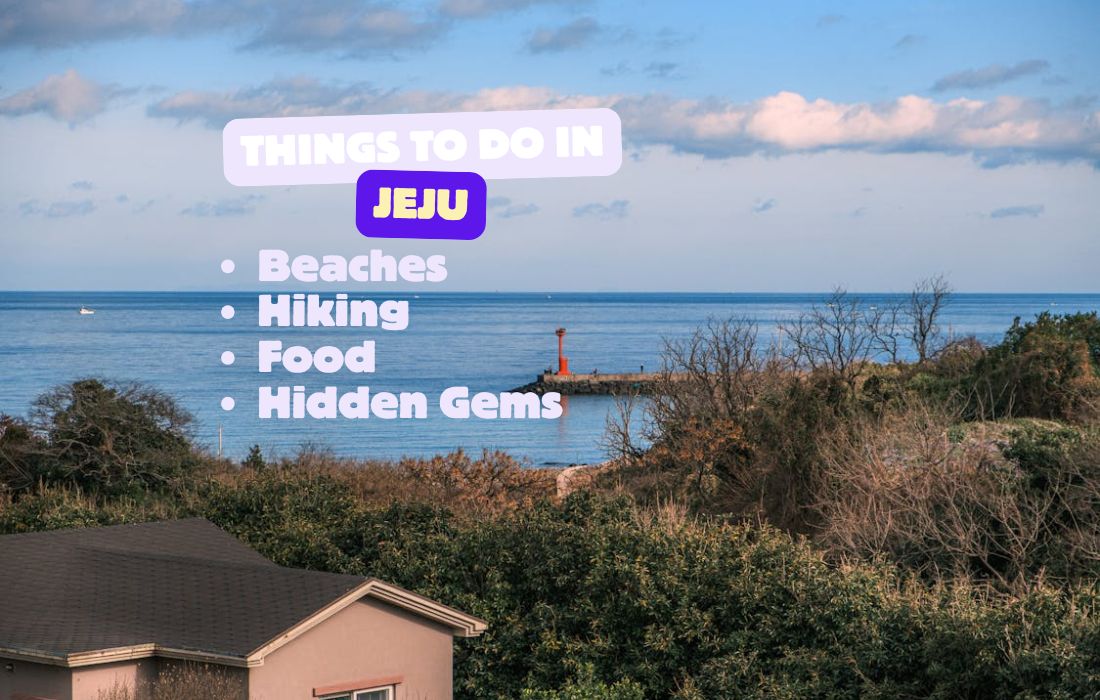
Then K-dramas like Our Blues and Welcome to Samdal-ri brought its wind-swept coastlines and quiet seaside villages onto screens around the world — and suddenly, everyone wanted to know: what are the best things to do in Jeju Island?
Nicknamed the “Hawaii of Korea,” Jeju Island feels completely different from the fast pace of the mainland. Think dramatic volcanic cliffs, emerald tea fields, waterfalls that crash directly into the ocean, and beaches with surprisingly turquoise water. In a single day, it’s possible to hike a volcano, eat fresh abalone porridge, sip locally grown matcha, and catch sunset by the sea.
This guide covers the ultimate things to do in Jeju Island, South Korea — from iconic beaches and waterfalls to hiking trails, unique museums, food experiences, ferry tips, neighborhoods, and the best time to visit.
Whether planning a short 3-day escape or a slower 5-day adventure, here’s exactly what to see, what to eat, and how to experience Jeju beyond the obvious.
Why Visit Jeju Island?
At first glance, Jeju looks like just another coastal destination. But this island — officially known as Jeju Island — is a UNESCO-listed volcanic landscape shaped by lava, wind, and sea.
Unlike the urban energy of Seoul or Busan, Jeju moves at its own rhythm. Stone walls line country roads. Haenyeo (female free divers) harvest seafood by hand. Tangerine farms stretch across the countryside. And at the center of it all rises Hallasan — the highest mountain in South Korea.
Here’s why Jeju deserves a spot on your itinerary:
1. A Volcano You Can Actually Hike
Hallasan isn’t just a backdrop — it’s a bucket-list experience. Several trails lead to the crater summit, offering sweeping views across the island. In spring, wildflowers bloom along the path. In autumn, the mountain turns golden and red.
2. Beaches With Unexpected Turquoise Water
Many travelers don’t expect clear, almost tropical-colored water in Korea. But beaches like Hamdeok Beach and Hyeopjae Beach surprise visitors with soft sand and calm waves — especially stunning during summer.
3. Waterfalls That Flow Into the Ocean
Jeju is home to rare coastal waterfalls, including Jeongbang Waterfall — one of the few waterfalls in Asia that plunges directly into the sea.
4. Unique Food & Matcha Culture
Volcanic soil makes Jeju’s produce distinct. Black pork, fresh abalone, and green tea grown near O’sulloc Tea Museum are essential experiences.
5. Quirky, Unexpected Attractions
From the playful sculptures at Jeju Loveland to nostalgic displays at Teddy Bear Museum, Jeju balances natural beauty with offbeat creativity.
Jeju isn’t just about ticking off landmarks. It’s about slow coastal drives, seaside cafés, wind in the grass, and landscapes that feel untouched.
Next: the absolute best things to do in Jeju Island — starting with the experiences no first-time visitor should miss.
Top Things to Do in Jeju Island
From volcanic peaks to turquoise beaches, here are the absolute must-do experiences in Jeju Island — perfect for first-time visitors and return travelers alike.
Hike Hallasan (Hike Jeju Island)
At 1,947 meters, Hallasan dominates the center of the island — and hiking it is one of the most iconic things to do in Jeju.
There are several trails:
- Seongpanak Trail (longer, gradual ascent)
- Gwaneumsa Trail (steeper, more scenic)
Reaching the crater lake at the summit offers panoramic views across Jeju’s volcanic landscape.
Best seasons:
- Spring (April–May) for flowers
- Autumn (October) for foliage
- Winter for snow-covered trails (check closures)
For travelers searching “hike Jeju Island”, this is the definitive experience.
Relax at Hamdeok Beach
Often considered the most beautiful beach on the island, Hamdeok is famous for its shallow turquoise water and soft white sand.
Why visit:
- Calm swimming conditions
- Scenic coastal walking paths
- Beachfront cafés with ocean views
Sunrise and early morning offer the clearest water colors and fewer crowds.
Visit Hyeopjae Beach
Located on the west coast, Hyeopjae faces Biyangdo Island and is known for dramatic sunsets.
Highlights:
- Clear water with visible seabed
- Volcanic rock formations
- Wide sandy shoreline
For photography lovers searching “Hyeopjae Beach Jeju Island”, golden hour here is unforgettable.
See Jeju’s Most Famous Waterfalls
Jeju’s volcanic terrain creates dramatic waterfalls — a top answer to “what to see in Jeju Island.”
Cheonjiyeon Waterfall
A lush, forest-surrounded cascade near Seogwipo. Easy access and beautifully lit at night.
Jeongbang Waterfall
One of the rare waterfalls in Asia that falls directly into the ocean. Expect sea spray and powerful coastal views.
Searching “Jeju waterfall”? These two are essential.
Explore Jeju Loveland
One of the island’s most unusual attractions, Loveland is an outdoor sculpture park dedicated to sensual and humorous art.
Best for:
- Couples
- Curious travelers
- Unique photo opportunities
It’s playful, bold, and definitely different from Jeju’s natural scenery.
Visit Teddy Bear Museum
Located in Jungmun, this museum showcases teddy bears dressed as historical figures and pop culture icons.
Great for:
- Families
- Rainy days
- Lighthearted indoor activity
These experiences form the foundation of the best things to do in Jeju Island, South Korea.
Next: what to see beyond the obvious — hidden views, sunrise peaks, and scenic corners that make Jeju unforgettable.
What to See in Jeju Island Beyond the Beaches
If you’re searching “what to see in Jeju Island” beyond sand and sea, this is where the island truly reveals its character. Volcanic geology, UNESCO sites, sunrise peaks, and quiet coastal roads define the deeper Jeju experience.
Sunrise at Seongsan Ilchulbong
Also known as Sunrise Peak, this UNESCO-listed tuff cone rises dramatically from the sea on the island’s eastern edge.
Why it’s iconic:
- Crater views overlooking the ocean
- Golden sunrise light (arrive early)
- Relatively short but steep climb
For travelers asking “Jeju Island what to see?”, Seongsan Ilchulbong is one of the top answers.

Spot the Stone Guardians: Dol Hareubang
These iconic volcanic stone statues — known as “grandfather stones” — are scattered across Jeju. Traditionally believed to offer protection and fertility, they’ve become a symbol of the island.
They’re especially common near traditional villages and cultural parks — easy photo stops while exploring.
Drive the Coastal Roads
Some of Jeju’s best scenery isn’t a landmark — it’s the road itself.
Recommended areas:
- Aewol coastal road (cafés + sea cliffs)
- Seogwipo coastal drives (waterfall viewpoints)
- East coast routes toward Seongsan
Expect black volcanic rock formations, wind turbines, and endless sea views.
Wander Through Tangerine Farms
Jeju’s mild climate makes it famous for citrus. During autumn and winter, tangerine farms open for picking experiences — a surprisingly fun seasonal activity.
Explore the Green Tea Fields
Near O’sulloc Tea Museum, rolling green tea plantations stretch against volcanic backdrops.
Visitors can:
- Walk through tea fields
- Sample Jeju matcha desserts
- Learn about Korean tea culture
The volcanic soil gives Jeju’s green tea its distinctive depth — one reason Jeju matcha has become increasingly popular.
Jeju isn’t just a checklist of attractions. It’s sunrise hikes, quiet farmland roads, ocean spray on volcanic cliffs, and landscapes that feel untouched.
What to Eat in Jeju Island
Food is one of the most underrated things to do in Jeju Island. Thanks to its volcanic soil and surrounding waters, the island has developed a distinct culinary identity that feels different from mainland Korea.
Here’s what to try — and what those menu items actually mean.
Jeju Black Pork (흑돼지)
Jeju black pork is the island’s most famous specialty. Raised locally, the meat is known for:
- Rich marbling
- Chewy texture
- Slightly smoky flavor when grilled
Most restaurants serve it Korean BBQ–style, grilled at the table and wrapped in lettuce with garlic and ssamjang.
If a menu says 흑돼지, that’s what to order.
Abalone Porridge (전복죽)
Because Jeju has a strong haenyeo (female diver) tradition, seafood here is exceptionally fresh.
Abalone porridge is:
- Mild
- Creamy
- Comforting
It’s especially popular for breakfast in Seogwipo.
Hallabong & Tangerine Desserts
Jeju is famous for Hallabong oranges — sweeter and larger than typical tangerines.
Look for:
- Tangerine juice
- Citrus chocolate
- Hallabong macarons
Autumn and winter are peak citrus seasons.
Jeju Matcha Culture
Jeju’s volcanic soil creates ideal conditions for green tea cultivation.
Near O’sulloc Tea Museum, visitors can:
- Walk through tea fields
- Taste matcha ice cream
- Try green tea tiramisu
- Learn about Korean tea processing
When searching “Jeju matcha”, this is the epicenter.
Understanding a Jeju Restaurant Menu
If you’re Googling “Jeju restaurant menu”, here’s what to know:
- Many BBQ places require a minimum order (usually 2 portions).
- Prices are listed per 100g or per serving.
- Side dishes (banchan) are included.
- Seafood restaurants may price items by market rate.
In tourist areas, English menus are common — but in local neighborhoods, basic Korean phrases help.
Jeju’s food scene isn’t flashy — it’s fresh, ingredient-driven, and deeply connected to the island’s geography.
Next: the best time to visit Jeju Island — and how the experience changes by season.
Best Time to Visit Jeju Island
If you’re searching for the best time to visit Jeju Island, the answer depends on what kind of experience you want — beaches, hiking, flowers, or fewer crowds.
Because Jeju has a milder climate than mainland Korea, each season feels distinct.
Spring (April–May) – Cherry Blossoms & Wildflowers
Spring is one of the most popular times to visit.
Why go:
- Cherry blossoms in early April
- Canola flowers across the countryside
- Comfortable hiking weather on Hallasan
Temperatures are mild, skies are often clear, and landscapes feel vibrant.
For many travelers, this is the best season to visit Jeju Island.
Summer (June–August) – Beach Season
Summer transforms Jeju into a coastal escape.
Best for:
- Swimming at Hamdeok Beach
- Sunset at Hyeopjae Beach
- Water activities and coastal cafés
Expect higher humidity and peak domestic tourism in July and August.
If beaches are the priority, this is the best time to go to Jeju Island.
Autumn (September–October) – Hiking & Clear Skies
Autumn is arguably the most balanced season.
Why visit:
- Crisp air
- Fewer crowds
- Stunning fall foliage on Hallasan
- Ideal driving conditions around the island
For hiking and photography, this may be the overall best time to visit Jeju Island, Korea.
Winter (December–February) – Quiet & Snowy Peaks
Winter in Jeju is peaceful and less crowded.
Highlights:
- Snow-covered Hallasan
- Camellia flowers
- Lower hotel prices
Beaches are less active, but the island feels serene and cinematic.
So, What’s the Best Month?
- April – blossoms + mild weather
- May – warm but not crowded
- October – ideal hiking and scenery
Jeju is a year-round destination, but spring and autumn generally offer the best balance of weather and scenery.
Next: how far Jeju Island is from Seoul — and whether to fly or take the ferry.
How Far Is Jeju Island from Seoul?
If you’re wondering how far Jeju Island is from Seoul, the short answer is: not far — but it requires air or sea travel.
Jeju Island is located off the southern coast of the Korean Peninsula, while Seoul sits in the northwest of the mainland.
Distance
- Approximate distance: 450 km (280 miles)
- Travel time by plane: 1 hour
- Travel time by ferry: 4–12 hours (depending on departure port)
Flying to Jeju (Most Popular Option)
Flying is the fastest and most common way to reach Jeju.
Flights operate daily from:
- Seoul (Gimpo Airport)
- Busan
- Daegu
- Other major Korean cities
The Seoul–Jeju route is one of the busiest domestic air routes in the world. Budget airlines and frequent departures make it convenient and relatively affordable.
For most travelers with limited time, flying is the best option.
Ferry to Jeju Island
For those searching “ferry to Jeju”, sea travel is possible — though slower.
Ferries operate from ports such as:
- Busan
- Mokpo
- Wando
Travel times vary by route and vessel type.
A ferry may be worth considering if:
- Traveling with a car
- Avoiding flights
- Seeking a slower travel experience
However, weather conditions can impact schedules.
Flight vs Ferry: Which Should You Choose?
- Short trip (3–5 days)? Fly.
- Road trip with a car? Consider the ferry.
- Flexible schedule & scenic route? Ferry can be part of the adventure.
Reaching Jeju is straightforward — and once there, the island feels worlds away from mainland city life.
Next: the best neighborhoods in Jeju Island — and where to stay depending on your travel style.
Neighborhoods in Jeju Island: Where to Stay
Choosing the right base can completely shape your experience. When searching “neighborhoods in Jeju Island”, it helps to know that the island is larger than many expect — and attractions are spread out.
Here’s how the main areas compare:
Jeju City (North)
Located near the airport, Jeju City is the most convenient base.
Best for:
- Short stays
- Easy transport access
- Budget hotels
- Local markets and seafood restaurants
Pros:
- Close to the airport
- Wide accommodation range
- Good public bus connections
Cons:
- More urban
- Less resort-like atmosphere
Ideal for travelers prioritizing convenience.
Seogwipo (South)
Seogwipo offers a slower, more scenic atmosphere along the southern coast.
Highlights:
- Close to Cheonjiyeon Waterfall
- Near Jeongbang Waterfall
- Access to luxury resorts in Jungmun
Pros:
- Dramatic coastal views
- Romantic, relaxed vibe
- Great seafood
Cons:
- Farther from some northern attractions
Best for couples and nature-focused travelers.
Aewol (Northwest)
Aewol has become famous for its coastal café culture and sunset views.
Expect:
- Stylish oceanfront cafés
- Boutique stays
- Scenic coastal road drives
It’s quieter than Jeju City but still easily accessible.
Seongsan (East)
The eastern side of the island feels more rural and open.
Why stay here:
- Early access to Seongsan Ilchulbong
- Sunrise views
- Fewer crowds at night
Best for:
- Slow travel
- Sunrise photography
- Peaceful surroundings
Quick Comparison
- 1–2 nights only? Jeju City
- Scenic & romantic? Seogwipo
- Café hopping & sunsets? Aewol
- Sunrise + nature focus? Seongsan
Many travelers split their stay between north and south to reduce driving time.
Next: sample 3-day and 5-day Jeju itineraries to help plan everything efficiently.
3-Day Jeju Itinerary (First-Time Visit)
If you only have three days, focus on the island’s highlights — beaches, waterfalls, volcanic landscapes, and food.
Day 1 – East Jeju: Sunrise & Coastline
Morning
- Sunrise hike at Seongsan Ilchulbong
- Explore nearby coastal views
Afternoon
- Relax at Hamdeok Beach
- Café stop along the east coast
Evening
- Jeju black pork BBQ in Jeju City
Day 2 – South Jeju: Waterfalls & Scenic Views
Morning
- Visit Cheonjiyeon Waterfall
- Walk to Jeongbang Waterfall
Afternoon
- Coastal drive near Seogwipo
- Optional stop at Teddy Bear Museum
Evening
- Seafood dinner in Seogwipo
Day 3 – West Jeju: Tea Fields & Beaches
Morning
- Visit O’sulloc Tea Museum
- Walk through green tea fields
Afternoon
- Beach time at Hyeopjae Beach
Evening
- Sunset along the Aewol coastal road
5-Day Jeju Itinerary (Slower & More Scenic)
With five days, there’s room to explore deeper and travel at a relaxed pace.
Day 1 – Arrival + Jeju City
- Check in
- Dongmun Market visit
- Black pork dinner
Day 2 – East Coast
- Seongsan Ilchulbong sunrise
- Coastal village exploration
- Scenic ocean viewpoints
Day 3 – Hallasan Hiking Day
- Hike Hallasan
- Rest & casual dinner
Day 4 – South Jeju
- Waterfalls (Cheonjiyeon + Jeongbang)
- Jungmun resort area
- Coastal sunset
Day 5 – West Coast & Tea Culture
- O’sulloc Tea Museum
- Hyeopjae Beach
- Aewol cafés before departure
Do You Need a Car?
For most travelers, renting a car is strongly recommended. Public buses exist, but travel times between attractions can be long.
With a car, it’s easier to:
- Catch sunrise at Seongsan
- Visit multiple beaches in one day
- Explore quieter coastal roads
Jeju Island Travel FAQ
Here are answers to the most common questions travelers search before planning a trip.
Is Jeju Island worth visiting?
Yes — especially for nature lovers.
Jeju Island offers volcanic landscapes, coastal cliffs, waterfalls, beaches, and hiking trails that feel completely different from mainland cities like Seoul.
It’s ideal for:
- Couples
- Slow travelers
- Outdoor enthusiasts
- K-drama fans
If the goal is scenery, food, and relaxed coastal energy, Jeju is absolutely worth it.
How many days do you need in Jeju?
- 3 days – Covers major highlights (Seongsan, waterfalls, beaches).
- 4–5 days – Ideal balance of sightseeing and relaxation.
- 7 days – Allows hiking, café hopping, and deeper exploration.
Because attractions are spread out, shorter trips can feel rushed.
Do you need a car in Jeju?
For most visitors, yes.
While buses connect major areas, they can be slow and infrequent in rural zones. Renting a car allows flexibility — especially for:
- Sunrise at Seongsan Ilchulbong
- Hiking Hallasan
- Visiting multiple beaches in one day
What is the best month to visit Jeju Island?
- April – Cherry blossoms + mild weather
- May – Warm and scenic
- October – Clear skies + autumn foliage
Spring and autumn generally offer the most comfortable conditions.
Can you take a ferry to Jeju Island?
Yes.
Ferries operate from cities like Busan, Mokpo, and Wando. Travel time ranges from 4 to 12 hours depending on the route.
Flying is faster (about 1 hour from Seoul), but ferries are useful if traveling with a car.
Is Jeju expensive?
Jeju can be moderately priced compared to mainland Korea.
Costs vary by season:
- Summer = higher accommodation prices
- Spring/Autumn = mid-range
- Winter = often discounted stays
Food ranges from affordable local eateries to high-end resort dining.
Conclusion
Jeju combines dramatic landscapes, distinctive food culture, and relaxed coastal charm in a way that feels unique within South Korea.
From hiking volcanic peaks to sipping matcha grown in lava-rich soil, the island offers far more than just beaches — it’s a destination best experienced slowly.
If planning a trip soon, start with the highlights above and build from there.
Pair Jeju with the mainland by exploring these must-see Busan K-drama filming locations for a perfectly balanced South Korea itinerary.
