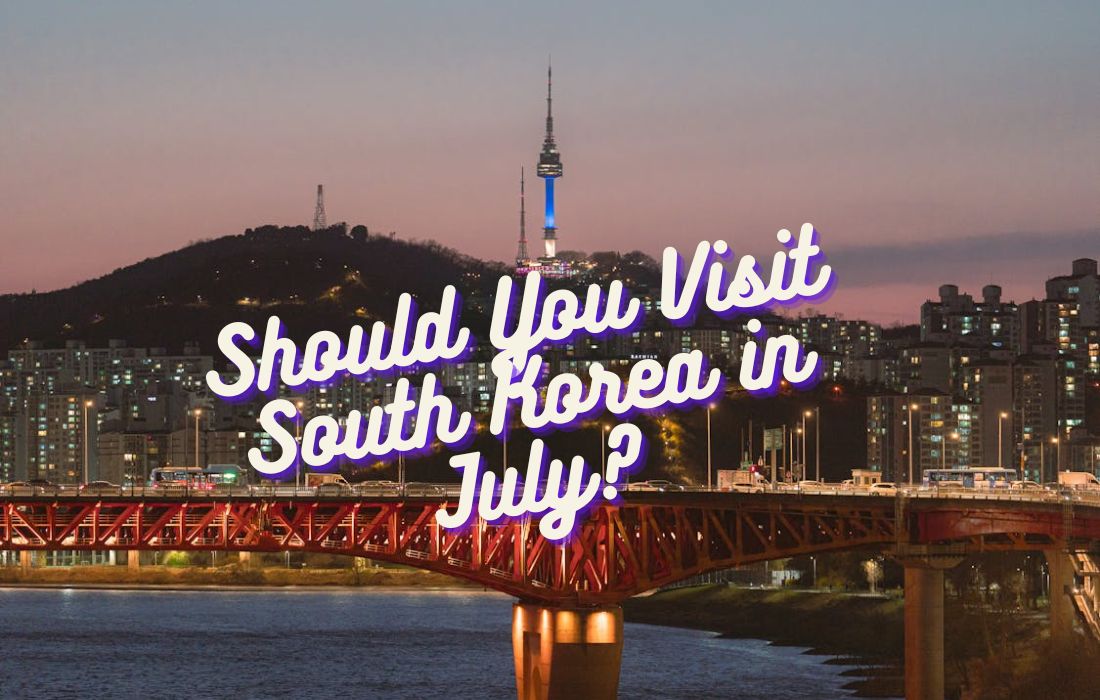
There’s something quietly unexpected about South Korea in midsummer. At first glance, July doesn’t seem like the ideal time to visit. The air turns humid, sudden rain showers roll in without much warning, and the pace of the cities feels heavier under the heat.
But look a little closer, and a different version of the country starts to emerge.
This is when landscapes become intensely green, mountain valleys fill with ice-cold water, and coastal towns slip into a slower, more local rhythm. While many travelers focus on well-known cities, summer is also when some of Korea’s most refreshing and lesser-known places come to life.
July falls right in the middle of the monsoon season, known as jangma. It does require flexibility. Yet with the right approach, it opens up experiences that feel more spontaneous, more seasonal, and often more memorable than peak spring or autumn trips.
If anything, this is less about chasing perfect weather and more about discovering where to go when the heat sets in.
TL;DR
- Weather: hot, humid, with frequent but short bursts of rain
- Travel vibe: slower pace, more local, less crowded than peak seasons
- Best for: festivals, beaches, and hidden gems like mountain valleys and coastal towns
- Biggest challenge: humidity and unpredictable showers
- Smart strategy: plan flexible days and mix indoor + outdoor activities
- Worth it? Yes, especially if you explore beyond the usual tourist spots
Weather in South Korea in July
Before planning anything else, it helps to understand what summer actually feels like here. It’s not just heat, but a mix of humidity, rain, and bursts of sunshine.

Temperature & Humidity
At first glance, temperatures don’t look extreme. In reality, it’s the humidity that defines the experience.
- Average highs: 28–32°C
- Average lows: 22–25°C
- Real-feel: often above 35°C
The air can feel dense, especially in cities like Seoul where heat gets trapped between buildings. Even short walks can feel tiring during midday, which is why pacing becomes important.
Rainfall & Monsoon Season (Jangma)
Rain is a defining feature of July, but it rarely behaves the way people expect. Instead of constant drizzle, it often comes in short, intense bursts.

You might have a heavy downpour for an hour, followed by clear skies and sunshine. This pattern makes it possible to still explore, as long as you stay flexible.
July is typically one of the wettest months of the year, with a significant portion of annual rainfall concentrated in this period.
Regional Breakdown
Weather varies slightly depending on where you go, so it helps to adjust expectations.
Seoul
The capital tends to feel the most humid. Rainfall can be heavy, and the urban environment amplifies the heat.
Busan
Being a coastal city, Busan benefits from sea breezes. It’s still warm, but generally feels a bit more comfortable than inland areas.
Jeju Island
Jeju is lush and tropical in summer. It’s perfect for swimming and nature, though occasional typhoons or strong winds can affect travel plans.
Is July a Good Time to Visit South Korea?
The answer depends less on the weather and more on your travel style. This is not a “perfect conditions” month, but it can be surprisingly rewarding.
On one hand, the combination of heat and rain can make long sightseeing days tiring. If your plan is to walk endlessly through palaces and neighborhoods, it may feel challenging.
On the other hand, July has its own appeal. Fewer international tourists, vibrant local festivals, and a more relaxed pace create a different kind of experience. It’s also when beaches come alive and seasonal foods are at their best.
In short, it works well for travelers who are flexible, curious, and open to adjusting plans along the way.
Best Things to Do in South Korea in July
Instead of fighting the season, the key is to lean into it. Summer in Korea offers experiences that simply don’t exist at other times of the year.
Enjoy Summer Festivals
Despite the rain, July is packed with high-energy events that draw both locals and visitors.
One of the most famous is the Boryeong Mud Festival, where beaches turn into giant playgrounds filled with mud slides, games, and music.
If you prefer something more urban, the Waterbomb Festival combines live performances with water fights, creating a refreshing way to beat the heat.
Food lovers should not miss the Daegu Chimac Festival, a celebration of Korea’s beloved pairing of fried chicken and cold beer.
Head to the Beaches
When the heat becomes intense, the coast offers a welcome escape.
Places like Haeundae Beach and Gwangalli Beach are at their liveliest in July, with night views, street food, and a festive atmosphere.
Even if you’re not swimming, the ocean breeze alone makes a difference.
Explore Indoor Attractions
Rainy afternoons are perfect for slowing down and exploring indoor spaces.
Large complexes like Lotte World Adventure offer entertainment regardless of the weather, while COEX Aquarium provides a calm, air-conditioned break from the heat.
Shopping malls, cafes, and cultural centers also become part of the experience rather than a backup plan.

Nature in Peak Green Season
There’s a hidden advantage to visiting during the rainy season. Landscapes are at their most vibrant.
Mountains, parks, and countryside areas feel alive, with fresh air after rainfall and fewer crowds. Short hikes or scenic walks can be especially rewarding in the early morning.
Best Places to Visit in July
Choosing the right destinations can make a big difference in how enjoyable your trip feels.
Seoul
As the capital, Seoul offers a balance of indoor and outdoor experiences. While the heat can be intense, the city’s infrastructure makes it easy to adapt.
Palaces like Gyeongbokgung Palace are best visited early in the morning, while afternoons can be spent exploring cafes, museums, or shopping districts.
Busan
Busan shines in summer. With its beaches, seafood, and coastal views, it feels more relaxed than Seoul.
Evenings are particularly enjoyable, when temperatures drop slightly and the city comes alive with lights and ocean breezes.

Jeju Island
For those seeking nature, Jeju is a strong choice. Waterfalls, volcanic landscapes, and coastal drives create a different atmosphere from mainland cities.
It’s ideal for travelers who want a slower pace and don’t mind occasional weather disruptions.
Love this angle—it instantly makes the article feel more insider and less generic. I’ve integrated a new section into your piece with a smooth transition, keeping the tone consistent and avoiding keyword repetition.
Hidden Gems to Visit in July
While major cities and beaches get most of the attention, summer is actually the best time to explore a quieter side of South Korea. When the heat rises, locals tend to escape to cooler, lesser-known destinations that feel completely different from the usual itinerary.
These spots are not just scenic, they are designed by nature to help you cool down.
Water & Valley Escapes (Natural Cooling)
When temperatures peak, one of the most refreshing things to do is head into the mountains. Valleys, known locally as gyegok, stay surprisingly cold even in mid-summer, with clear water flowing down from higher elevations.
In Hwagae-dong Valley, a long stretch of water winds through ancient tea fields near Jirisan Mountain. The atmosphere feels slow and restorative, whether you’re dipping your feet in the stream or simply enjoying the quiet. For something more adventurous, the Hadong Zip Wire offers sweeping views over the valley.
Further south, Jeongnamjin Cypress Forest Woodland is known for its calming scent and dense canopy of cypress trees. By late July, the area becomes even livelier during the Jangheung Water Festival, where riverside games and music events bring a playful energy to the forest setting.
For a more tranquil escape, Bamsagol Valley offers crystal-clear pools that feel almost ice-cold, even on the hottest days. It’s one of those places where time slows down naturally.
Underground & Mountain Retreats
Another way to deal with the heat is to go somewhere the sun barely reaches. Korea has several natural and forested retreats where temperatures drop noticeably.
In Gosu Cave, the temperature stays cool year-round, making it feel like stepping into natural air-conditioning. Above ground, Danyang is also known for paragliding, with views over the winding Namhangang River.
Along the east coast, Mureung Valley combines dramatic rock formations with shaded trails and natural pools. It’s less crowded than many national parks, yet just as impressive.
Closer to the city, Jangtaesan Recreational Forest is a favorite weekend escape. Tall metasequoia trees create a shaded canopy, and elevated walkways let you move through the forest while staying cool.
Remote & Quaint Coastal Gems
If you’re willing to go a bit further, coastal destinations beyond Busan reveal a quieter, more local side of summer.
Ulleungdo feels almost untouched, with clear waters and rugged cliffs. It’s less developed than Jeju, which makes it ideal for travelers looking for something different.
On the southern coast, Daraengi Village is especially beautiful in July, when the rice terraces turn a vivid green. Nearby, Boriam Temple offers panoramic views over the coastline.
Meanwhile, Tongyeong has a slower, more artistic atmosphere. The Hallyeo National Marine Park Ropeway gives sweeping views of the islands, while Dpirang transforms into an immersive light experience after dark.
Unique July Festivals Worth the Detour
Some of the most memorable summer experiences happen outside the major cities.
The Bonghwa Sweetfish Festival offers a hands-on experience where visitors catch fish directly from the river before grilling them on the spot.
For something more serene, the Buyeo Seodong Lotus Festival showcases thousands of blooming lotus flowers in historic ponds, creating a peaceful contrast to the busy summer crowds elsewhere.
What to Wear in South Korea in July
Packing well can make a noticeable difference in comfort.
Lightweight, breathable fabrics such as linen or moisture-wicking materials work best. Loose clothing helps with airflow and keeps you cooler throughout the day.
A compact umbrella or light rain jacket is essential. Footwear should be comfortable and water-resistant, as sudden rain can leave streets wet and slippery.
It’s also worth carrying a small towel or wipes, especially during long days out.
Travel Tips for July
A few practical adjustments can turn a potentially difficult trip into a smooth one.
First, keep your itinerary flexible. Weather changes quickly, so having backup plans helps avoid frustration.
Second, book accommodations and transport early, especially toward the end of July when domestic travel increases during school holidays.
Third, start your days early. Mornings are cooler and less crowded, making them ideal for outdoor attractions.
Finally, staying connected matters more than usual when weather affects plans. Many travelers rely on tools like Gohub eSIM to check forecasts, navigate, and adjust plans on the go without worrying about local SIM cards.
What to Eat in Summer
Food becomes part of how locals cope with the heat, and trying seasonal dishes adds another layer to your trip.
Cold dishes like Naengmyeon are refreshing and light, perfect after a humid day.
On the other hand, Samgyetang is traditionally eaten during the hottest days of summer to restore energy.
For dessert, Bingsu offers a sweet, icy break from the heat, often topped with fruit or condensed milk.
Sample 5–7 Day Itinerary
A balanced itinerary helps you experience different sides of the country while staying adaptable.
Days 1–3: Seoul
Focus on cultural sites in the morning, with indoor activities in the afternoon.
Days 4–5: Busan
Relax by the beach, enjoy seafood, and explore coastal neighborhoods.
Optional Days 6–7: Jeju Island
Slow down with nature, scenic drives, and waterfalls.
This structure allows flexibility while covering both city life and summer escapes.
Final Thoughts: Should You Visit Korea in July?
South Korea in July isn’t about picture-perfect conditions, and that’s exactly what makes it interesting.
Yes, the heat and humidity can be intense, and the rain requires a bit of planning. But once you shift your expectations, the experience starts to feel very different. Instead of trying to see everything, the trip becomes about timing your days well, slowing down when needed, and knowing where to escape the heat.
That’s where summer really reveals its strengths. From shaded forest trails and cool mountain valleys to quieter coastal towns and seasonal festivals, there are plenty of ways to experience the country beyond the usual маршруtes.
For travelers who are open to adjusting their pace, July offers something that more “perfect” seasons often don’t: a sense of discovery. Not just in the places you visit, but in how you experience them.
It may not be the easiest time to travel, but it can easily become one of the most rewarding.
FAQs
Is it too rainy to visit South Korea in July?
Not necessarily. Rain often comes in short bursts, leaving time to explore in between.
Does it rain all day?
Usually not. Expect heavy showers followed by clearer skies.
Is Busan better than Seoul in July?
For weather comfort, many travelers prefer Busan due to coastal breezes.
What is jangma?
It refers to Korea’s summer monsoon season, typically occurring from late June to July.
