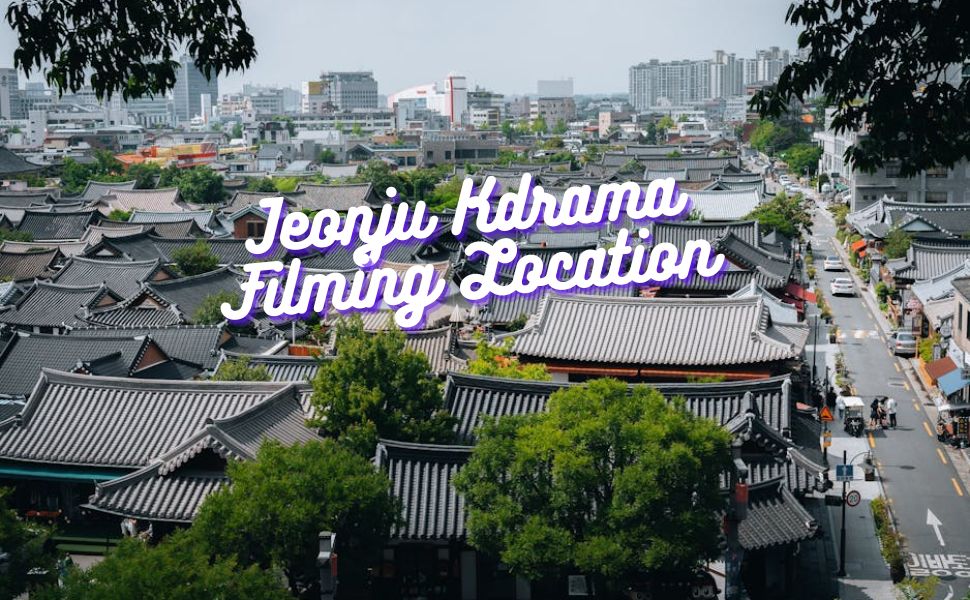
If you’ve ever watched a Korean drama and thought, “Where is this beautiful place?”—there’s a good chance the answer is Jeonju.
Known for its preserved hanok architecture, slow-living atmosphere, and food culture, Jeonju has quietly become one of Korea’s most cinematic cities. In recent years, it gained global attention as a key backdrop for Twenty-Five Twenty-One, but its role in K-drama storytelling goes far beyond one hit series.
This guide takes you through the most iconic Jeonju K-drama filming locations, what to expect when visiting, and how to turn them into a perfect one-day itinerary.
Why Jeonju Is a K-Drama Filming Hotspot
At first glance, Jeonju feels like a city frozen in time. The heart of it all is Jeonju Hanok Village, where over 700 traditional Korean houses line narrow alleys. But beyond aesthetics, what makes Jeonju special is its emotional tone.
Directors often choose Jeonju when they want:
- A nostalgic, late-90s or early-2000s vibe
- A blend of traditional and everyday Korean life
- Quiet streets that feel intimate and cinematic
That’s exactly why Twenty-Five Twenty-One used the city to tell a story about youth, dreams, and fleeting moments.

Iconic “Twenty-Five Twenty-One” Filming Locations in Jeonju
Before diving into historical sites, it’s worth starting with the drama that put Jeonju back on the global map.
Hanbyeokdang Area and Tunnel Scenes
One of the most memorable visual motifs in Twenty-Five Twenty-One is the quiet tunnel where Na Hee-do and Baek Yi-jin shared heartfelt conversations.
Located near Hanbyeokdang Pavilion, this area blends river views, forested paths, and old railway infrastructure. While the exact tunnel may not always be labeled clearly for tourists, the surrounding landscape is instantly recognizable.
What makes this spot special is not just the filming connection, but the atmosphere. It’s peaceful, slightly melancholic, and perfect for a slow walk—exactly the feeling the drama captured.
Omokdae Viewpoint
A short walk uphill from the Hanok Village brings you to Omokdae.
From here, you’ll get a panoramic view of tiled rooftops stretching across the village. While not a major “scene location,” it sits close to areas featured in Twenty-Five Twenty-One and gives you context for how the city is laid out.
It’s also one of the best photo spots in Jeonju, especially around sunset.
Seohak Art Village (Creative Filming Zone)
Across the river from the Hanok Village lies Seohak Art Village, a quieter and more artistic neighborhood.
This area was used for several scenes representing everyday life, including locations that resemble the comic book shop where Baek Yi-jin worked. While the exact shop set may not exist as a permanent store, the vibe of the neighborhood—small galleries, indie cafés, and converted hanok spaces—matches the drama perfectly.
If you’re looking to escape crowds while still staying within filming territory, this is where you go.
Historical K-Drama Filming Locations (Sageuk Spots)
Jeonju isn’t just for modern romance dramas. It’s also a go-to location for historical series thanks to its well-preserved heritage sites.
Gyeonggijeon Shrine: Royal Backdrop for Iconic Scenes
Located within the Hanok Village, Gyeonggijeon Shrine is one of the most important historical landmarks in the city.

It has appeared in several dramas, including:
The shrine houses portraits of King Taejo, founder of the Joseon Dynasty, and features serene courtyards, stone pathways, and a famous bamboo forest path.
When you walk through it, it’s easy to see why directors love filming here. Every angle looks like a ready-made scene.
Jeonju Hyanggyo: A Quiet, Timeless Filming Location
Another favorite for historical dramas is Jeonju Hyanggyo, an old Confucian school.
Surrounded by towering ginkgo trees, this location has a softer, more scholarly atmosphere compared to Gyeonggijeon. It has been used in multiple sageuk productions because it captures the essence of traditional education and aristocratic life.
Visit in autumn if possible—the golden leaves create a cinematic backdrop on their own.

Hagindang: Traditional Elegance on Screen
For fans of Mr. Sunshine, traditional houses played a major role in building the drama’s visual identity.
Hagindang is one such historic hanok residence that reflects the style used in period dramas. While not every scene was filmed here specifically, it represents the kind of architecture frequently used for aristocratic homes on screen.
Beyond Filming: What Makes Jeonju Worth Visiting
Even if you’re not chasing filming locations, Jeonju offers a rich travel experience.
Food: The Birthplace of Bibimbap
Jeonju is famous for Jeonju Bibimbap, often considered the most authentic version of Korea’s iconic mixed rice dish.

You’ll find countless restaurants serving it, from traditional hanok eateries to modern reinterpretations. Don’t miss street food at Nambu Market either—perfect for a casual break between filming spots.
Hanbok Experience
One of the best ways to immerse yourself in the setting is by renting a hanbok and walking through the village. Many visitors do this while exploring filming locations, and it adds an extra layer of connection to historical dramas.

One-Day Jeonju K-Drama Walking Itinerary
If you’re short on time, here’s a simple route that covers the highlights without rushing.
Morning: Start with History
Begin at Gyeonggijeon Shrine
Then walk to Jeonju Hyanggyo
These two spots are best enjoyed early when it’s quiet.
Midday: Explore Hanok Village
Wander through Jeonju Hanok Village
Stop for:
- Bibimbap lunch
- Street snacks
- Coffee in a hanok café
Afternoon: Film Locations & Views
Head to Omokdae for views
Then cross over to Seohak Art Village
End your day near Hanbyeokdang Pavilion for a peaceful walk.
Travel Tips for Visiting Jeonju
Getting There
Jeonju is about 1.5–2 hours from Seoul by KTX train or bus, making it perfect for a day trip or overnight stay.
Best Time to Visit
- Spring: Cherry blossoms and mild weather
- Autumn: Golden ginkgo trees at Hyanggyo
- Weekdays: Fewer crowds
Where to Stay
For the full experience, book a hanok guesthouse inside the village. It’s quieter at night and gives you a different perspective of the city.
Final Thoughts: Why Jeonju Feels Like a Living K-Drama
Some destinations are famous because they look good on camera. Jeonju is different—it feels like it was made for storytelling.
Whether you’re retracing scenes from Twenty-Five Twenty-One, exploring royal courtyards from The King’s Affection, or simply wandering through quiet alleys, the city invites you to slow down and notice the details.
And that’s exactly what K-dramas do best.
If you’re planning a South Korea trip, don’t skip Jeonju. It’s not just a filming location—it’s an experience that stays with you long after the final episode.
