A Slow, Cinematic Journey Through Park Chan Wook’s Real Korean Locations
Cinema has a way of making ordinary places feel alive. Some films create entire worlds from soundstages, and others wander into real towns, letting streets and homes breathe their own quiet stories into the frame. Park Chan Wook’s newest film, No Other Choice, belongs to the second category. It is tense, satirical, sharply human, and grounded in the unmistakable textures of real Korean landscapes.
If you are the kind of person who loves tracing movies back to the real places that inspired them, this guide will help you step inside the geography of No Other Choice.
Before we explore filming locations, let us take a breath and understand what the film is about and why its setting matters so much.
If this guide inspires you to explore Korea’s real film locations in person, here is the Korea eSIM I use so I can stay connected while wandering through cities like Ulsan and Asan
A gentle recap of the story
No Other Choice tells the story of Man Soo, a man who has worked at a paper company for many years. When he is suddenly laid off, his entire life becomes unstable. The film follows his attempt to navigate a harsh and unforgiving job market, and the moral compromises that begin to shape his decisions.
The story is adapted from Donald E Westlake’s 1997 novel titled The Ax. Park Chan Wook reimagines the narrative through a Korean lens, creating a darkly humorous but deeply emotional film about work, survival, and the quiet heartbreak of modern life.
What makes the film powerful is not just the plot, but also the sense of place. The locations are not props. They are emotional landscapes that reflect Man Soo’s unraveling world.
Where the film was actually shot
Production for No Other Choice took place fully in South Korea. Filming began in August 2024 and wrapped in January 2025. Instead of relying on large studio backlots, the crew selected multiple real towns and neighborhoods that mirror the tone of the story. According to production interviews and reports, the primary filming locations include:
Ulsan
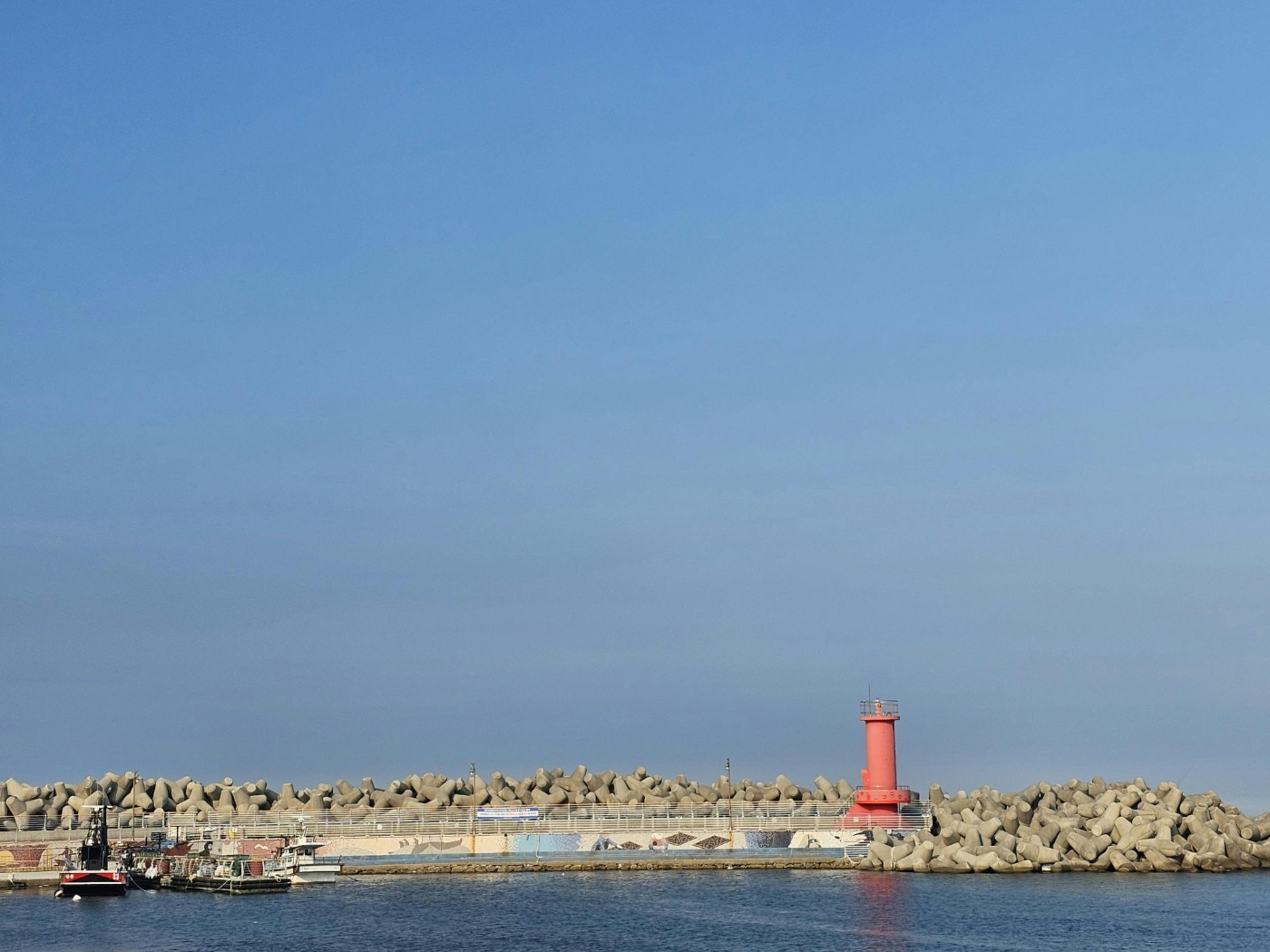
Ulsan sits on the southeastern coast of Korea. It is a mix of industrial zones, maritime views, and quiet local neighborhoods. This city becomes a visual heartbeat for the film. Its industrial edges and coastal roads contribute to the film’s grounded and sometimes uneasy energy.
Asan
Asan is home to one of the most important locations in the film, which is Man Soo’s house. The production team chose a real property and redesigned parts of it to match the emotional rhythm of the story. Every plant, every surface, and even the bonsai trees were used to reflect the inner life of the character. While some interior scenes were likely built on controlled sets, the house itself stands in Asan.
Additional smaller towns and regions
Crew interviews mention travel across multiple regions of South Korea. Many of the outdoor scenes draw from everyday Korean neighborhoods. There is no documented evidence of any filming outside the country. The entire landscape of the film is authentically Korean.
These locations collectively give the movie its raw, lived-in feeling.

Why these places matter so deeply to the story
Park Chan Wook has always been intentional with place. For No Other Choice, each location supports the emotional weight of the narrative.
Ulsan as a mirror of economic pressure
Ulsan’s industrial character reflects the pressure of a modern workforce that is constantly changing. Steel structures, shipyards in the distance, large industrial buildings, and dense apartment blocks create a subtle tension that aligns with Man Soo’s inner turmoil. It is a city that feels hardworking and weary at the same time.

Asan as a place of fragile calm
The house in Asan represents the heart of the story. Homes are often symbols of safety, but in this film the home feels fragile. The production designer intentionally crafted the space to look familiar and vulnerable. This choice allows viewers to sense how easily stability can crumble.
Movement between towns as a symbol of emotional restlessness
The film does not stay in one place. Instead, it moves through a variety of towns, echoing the idea that the story is not about one man in one city. It is about shared anxieties that exist across the country. The scattering of smaller filming sites conveys a sense of drifting, which mirrors the emotional drifting of the main character.
These choices give the film authenticity. They allow real Korean landscapes to carry the film’s emotional message.
What viewers may recognize and what travelers may seek out
If you enjoy identifying real-world filming locations while watching a movie, No Other Choice offers several moments you may recognize.
The house in Asan
This real house has become a central landmark for the film. The yard, plants, and overall layout were carefully curated to express the mood of the story. It is not a tourist attraction, so travelers must be mindful and respectful, but it is fascinating to know it exists as a real structure rather than a temporary set.
Urban and coastal corners of Ulsan
Viewers may notice scenes filled with unpolished residential blocks, coastal roads, and long quiet streets. These backgrounds are very characteristic of Ulsan. They lend the movie a grounded realism that studio production alone cannot achieve.
Smaller, unnamed towns
Many outdoor scenes were filmed in ordinary Korean neighborhoods, the kind that do not appear in travel guides. Their presence gives the film a sense of everyday authenticity, reminding us that the most powerful stories often unfold in unassuming places.
Tips for responsible location exploration
If you ever travel to Korea and wish to feel the atmosphere of the film, there are a few mindful and respectful reminders to keep in mind.
Check for public accessibility
Some places are private, especially homes. Travelers should always respect personal property and follow local rules. Seeing a location from afar is often enough to appreciate its presence in the film.
Weather and lighting may differ
Filming took place across multiple seasons, from late summer to deep winter. If you visit the locations, the visual atmosphere may feel different, but this can be beautiful in its own way.
Remember that these are lived spaces
These towns are not theme parks. They are homes, workplaces, and community spaces. Approach them gently and with gratitude.
Travel can be meaningful when we engage with it consciously and respectfully.
Why these locations elevate the film’s message
The soul of No Other Choice lies in how it blends story with environment. The industrial calm of Ulsan, the vulnerable stillness of Asan, and the grounded simplicity of smaller regional towns each carry a quiet emotional tone. Together, they create a cinematic world that feels painfully real.
These places become more than backdrops. They become emotional surfaces that react to the characters’ decisions. They show us how environment shapes human experience.
When a story is anchored in such real and relatable places, it creates a deeper connection between viewer and film.
My thoughts
I have always believed that places remember things. Streets hold traces of conversations, houses carry echoes of past emotions, and coastlines feel like open pages waiting for someone to read them. Watching No Other Choice, I felt that same sensation. The locations felt alive. They whispered. They held space for fear, loss, and resilience.
If you ever find yourself wandering through Ulsan or Asan, walk slowly. Let the rhythm of the cities unfold at their own pace. You might feel the same emotional weight that Park Chan Wook captured, not through dramatic acting, but through the quiet honesty of geography.
Real places can teach us so much about human stories. And No Other Choice honors that beautifully.
Frequently Asked Questions
Was No Other Choice filmed entirely in South Korea?
Yes. The production filmed across several regions of South Korea. There are no credible reports of overseas shoots.
Which cities and towns were used as filming locations?
Primary filming took place in Ulsan and Asan. The production also used smaller towns and coastal areas around the Busan region to capture specific moods and landscapes.
Is the house shown in the film a real home in Asan?
Yes. The house used for Man Soo’s home is a real property in Asan that the production dressed and adjusted to reflect the character’s life. Some interiors may have been filmed on controlled sets, but the exterior and yard are real.
Can fans visit the filming locations?
Some locations are publicly viewable, such as coastal roads and public streets. Private homes and certain production sites are not open to the public. Always respect private property and local residents when you visit.
Are exact addresses or coordinates available?
Exact private addresses are not shared out of respect for residents. For public sites like parks, coastal roads, and university areas, fans often compare film stills with maps and local photo shares to approximate locations.
What is the best way to travel to Ulsan and Asan to explore film related spots?
Both cities are accessible by train and bus from major hubs like Seoul and Busan. Renting a car or using local buses will help you reach quieter neighborhood spots and coastal roads. Plan ahead and check local transit schedules.
When is the best time to visit to match the film’s look and feel?
The film was shot across seasons. Visiting in late autumn or winter will more closely match the film’s mood, but each season offers its own quiet beauty and perspective on the landscapes used in the movie.
How should visitors behave when exploring filming locations?
Be gentle and mindful. These are living communities, not movie sets. Avoid loud behavior, do not trespass, ask permission before photographing private property, and honor signage and local guidance.
