Filming Locations, Travel Tips, and Local Food for Movie Fans
Ulsan is often introduced as the industrial heart of South Korea. It is home to massive shipyards, oil refineries, and the global headquarters of Hyundai. Yet on screen, Ulsan tells a very different story. Filmmakers are drawn to its quiet residential streets, dramatic coastline, and subtle atmosphere that feels both modern and melancholic.
In recent years, Ulsan has appeared in several notable Korean films and dramas. The city gained international attention again with Park Chan-wook’s upcoming film No Other Choice (2025), which used Ulsan as one of its main shooting locations. This has placed Ulsan on the radar of global film tourists and K-cinema fans who want to explore locations beyond Seoul and Busan.
Why Directors Choose Ulsan as a Filming Location
Ulsan offers a rare visual contrast. Within a short distance, you can find heavy industry, calm suburban neighborhoods, rugged coastal cliffs, and quiet beaches. This variety allows directors to portray isolation, realism, and emotional tension without leaving the same city.
For thrillers and psychological dramas, Ulsan’s wide roads and low-rise districts create a sense of space and loneliness. For slice-of-life stories, its residential areas feel authentic and untouched by mass tourism. Coastal parks and fishing villages add natural beauty that works well for reflective or romantic scenes.
This combination explains why Ulsan is increasingly used for films that need atmosphere rather than postcard glamour.
Famous Movies and Dramas Filmed in Ulsan
No Other Choice (2025) – Directed by Park Chan-wook
One of the most high-profile recent productions to use Ulsan is No Other Choice. The film follows an ordinary man pushed into extreme moral decisions after losing his job. Several urban and suburban scenes were shot in Ulsan, using real neighborhoods and streets to ground the story in realism.
The city’s restrained, almost cold visual tone supports the psychological tension of the film. For a detailed breakdown of the exact areas used, you can reference the dedicated guide on Where No Other Choice Was Filmed in South Korea, which explains how Ulsan and nearby regions were selected for key sequences.
The Match (2025)
The biographical film The Match, which tells the story of legendary Go players Cho Hun-hyeon and Lee Chang-ho, also included scenes filmed in Ulsan. Production teams selected the city for its quiet residential districts and traditional training environments that matched the disciplined, introspective mood of the story.
Although the film focuses on intellectual competition rather than action, Ulsan’s calm neighborhoods and understated urban landscapes helped create a grounded, authentic setting for key character moments.
Extraordinary Attorney Woo (2022)
The global hit K-drama Extraordinary Attorney Woo helped introduce Ulsan to international audiences by presenting it as Korea’s symbolic “Whale City.” Several scenes were filmed around Jangsaengpo Whale Culture Village and the nearby coastal areas, which visually reinforced the main character’s deep emotional connection to whales.
The series led to a noticeable rise in tourism to Jangsaengpo, with fans visiting the whale museum, coastal walkways, and port viewpoints seen in the drama. These locations are easy to reach by public bus from downtown Ulsan and are now part of many K-drama themed travel routes.

The King: Eternal Monarch (2020)
The fantasy romance The King: Eternal Monarch used Ulsan Grand Park for several key outdoor scenes. As one of the largest urban parks in South Korea, the park’s wide lawns, lakes, and tree-lined paths provided an elegant and slightly surreal backdrop that fit the drama’s parallel-universe concept.
Ulsan Grand Park is popular among both locals and visitors, making it one of the most accessible filming sites in the city. Its well-maintained scenery, seasonal flowers, and open spaces give it the classic K-drama aesthetic that many fans look for when visiting real filming locations.
Sea Fog (2014)
Produced by Bong Joon-ho, the dark maritime thriller Sea Fog made strong use of Ulsan’s industrial port and coastal waters. The film’s tense atmosphere was amplified by real dockyards, fishing harbors, and fog-covered sea routes around Ulsan, which helped portray the isolation and danger faced by the crew.

These working port areas reflect the city’s identity as a major maritime and shipbuilding hub, offering a raw and realistic visual tone that contrasts sharply with more polished tourist cities. This same industrial atmosphere is one reason later thrillers and psychological films, including No Other Choice, found Ulsan visually compelling.
How to Get to Ulsan from Seoul or Busan
Taking the KTX from Seoul
The most convenient way to reach Ulsan from Seoul is by KTX, the Korea Train Express.
- Departure: Seoul Station
- Arrival: Ulsan Station
- Travel time: About 2 to 2.5 hours
Ulsan Station is located slightly outside the city center, but buses and taxis connect it easily to downtown and major filming areas.
Day Trip from Busan
A common question among film tourists is whether Ulsan can be visited in one day from Busan. The answer is yes.
- Travel time by KTX or express train: Around 50 to 60 minutes
- Early morning departure allows several hours of location scouting
- Evening return to Busan is very feasible
This makes Ulsan an ideal side trip for travelers who are already visiting Busan and want to explore No Other Choice filming locations or other cinematic spots.
Is Ulsan Foreigner-Friendly?
Language and Communication
Ulsan is less international than Seoul, but it is still manageable for non-Korean speakers.
- Major train stations have English signage
- Hotels and larger restaurants usually have basic English support
- Translation apps work well for menus and directions
Public Transport Without a Car
You do not need to rent a car to explore Ulsan’s filming areas.
- City buses are frequent and inexpensive
- Taxis are affordable and easy to use with map apps
- KakaoMap and Naver Map provide accurate English navigation
Reaching most urban and coastal filming sites is straightforward, even for first-time visitors.
Is Ulsan More Than Just an Industrial City?
Many people know Ulsan only as “Hyundai City.” This creates the impression that it is all factories and shipyards. In reality, large parts of Ulsan are surprisingly scenic.
You will find:
- Coastal areas like Ilsan Beach and Daewangam Park
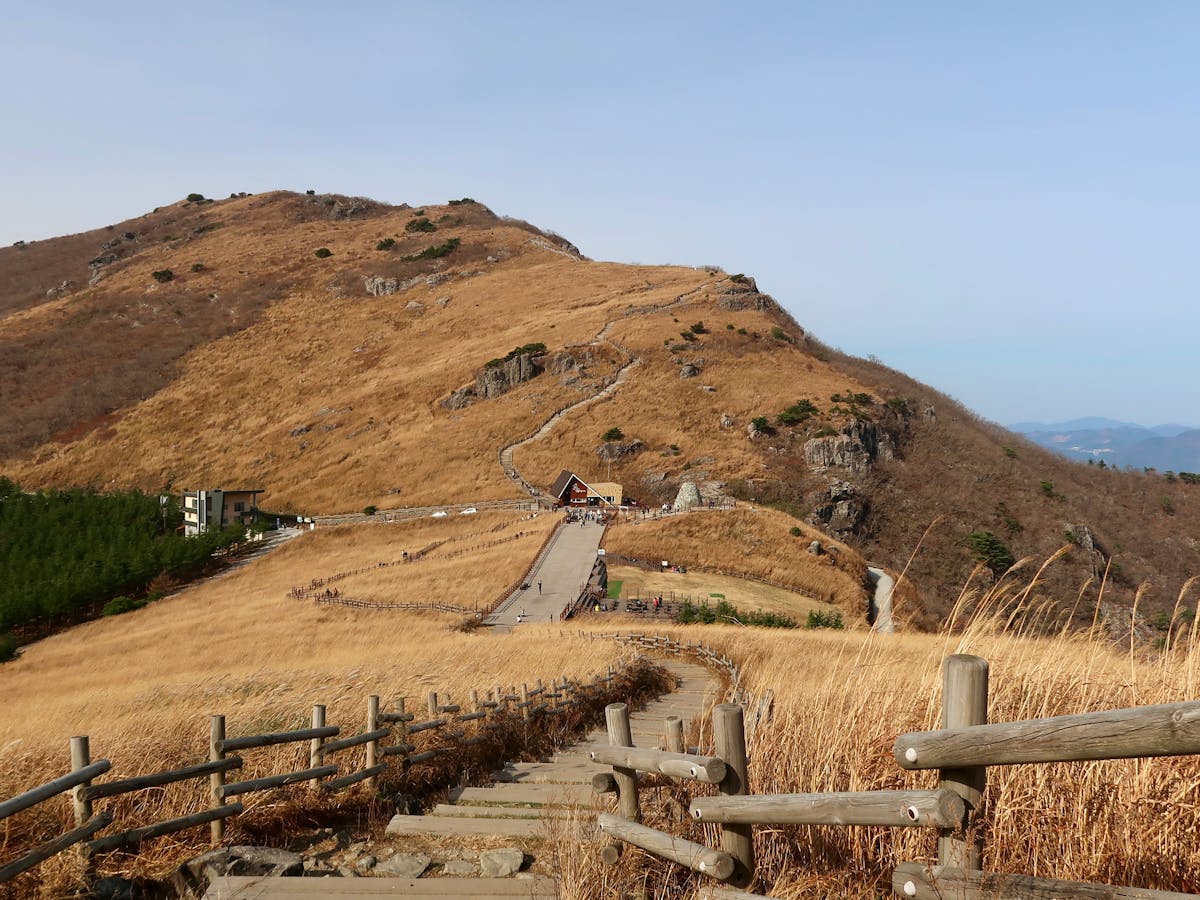
- Riverside walking paths and mountain backdrops
- Quiet residential districts often used in K-dramas
While it does not have the romantic palace scenery of Seoul, Ulsan offers a grounded, cinematic realism that fits modern Korean storytelling. This is exactly why directors like Park Chan-wook use it for emotionally heavy films.
What to Eat While Visiting Filming Locations
Eonyang Bulgogi
The most famous local dish is Eonyang Bulgogi. It differs from the sweeter Seoul-style bulgogi.
- Thinly sliced beef, lightly marinated
- Grilled over charcoal, not pan-fried
- Smoky flavor with minimal sauce
Many film tourists seek it out because it is frequently recommended in K-drama and travel guides linked to Ulsan.
Seafood and Local Markets
Being a coastal city, Ulsan also offers:
- Fresh sashimi near the port areas
- Spicy seafood stews
- Traditional markets where crews often eat during filming breaks
These food experiences add a lifestyle layer to visiting movie locations, turning a simple location hunt into a full cultural trip.
Suggested Film-Themed Route in Ulsan
Half-Day Route (from Busan):
- Morning KTX to Ulsan
- Visit key urban neighborhoods used in No Other Choice
- Walk along the coast for scenic photography
- Lunch with Eonyang Bulgogi
- Evening return to Busan
Full-Day Route:
- Add Daewangam Park and riverside paths
- Explore residential districts that appear in TV dramas
- Sunset shots near the harbor
Final Thoughts
Ulsan is quietly becoming one of South Korea’s most interesting filming cities. It offers realism, atmosphere, and emotional depth that many directors seek. For fans of No Other Choice and serious Korean cinema, it provides a rare chance to explore locations that feel authentic and untouched by mass tourism.
As more productions choose Ulsan, its reputation will likely grow from industrial powerhouse to cinematic landscape. For detailed scene-by-scene references, be sure to explore the full guide on Where No Other Choice Was Filmed, which connects Ulsan’s real streets to Park Chan-wook’s dark and compelling storytelling.
