There is a scene in Hometown Cha-Cha-Cha where Yoon Hye-jin quietly walks along the seaside road after arriving in Gongjin for the first time. The ocean feels endless, the air looks softer somehow, and the village moves at a slower rhythm than the city she left behind. It is the kind of scene that makes you pause the episode just to stare at the view for a few seconds longer.
That healing atmosphere was not created on a studio set.
The fictional village of Gongjin was brought to life in Pohang, a coastal city on Korea’s eastern shoreline known for fishing villages, ocean views, and quiet local neighborhoods. After the drama became a global hit, fans started traveling to Pohang to visit the real places where Kim Seon-ho and Shin Min-a filmed many of the show’s most memorable moments.
What makes these filming locations special is that they still feel real. Pohang is not an overbuilt tourist city trying to imitate Gongjin. It already had the peaceful charm the drama needed.
If you are planning a Korea trip and want a slower, more emotional destination beyond Seoul or Busan, here are the best Hometown Cha-Cha-Cha filming locations you can actually visit.
Why Pohang Became the Perfect Real-Life Gongjin
Unlike flashy urban K-dramas filled with skyscrapers and luxury shopping streets, Hometown Cha-Cha-Cha needed warmth and simplicity. The production team found exactly that in the coastal districts around Cheongha-myeon and Guryongpo.
Fishing boats line the harbor in the morning. Elderly locals gather outside markets in the afternoon. Small cafes overlook the East Sea, and narrow roads wind through quiet neighborhoods facing the coastline. Even without the drama connection, the area already feels cinematic.
That authenticity is probably why the series became such a comfort drama for many viewers. Gongjin never felt fictional. It felt like a place you could escape to when life became too loud.
Today, many of the filming locations remain recognizable, especially the coastal viewpoints and seaside landmarks scattered throughout Pohang.
Best Hometown Cha-Cha-Cha Filming Locations to Visit
Many of the drama’s most emotional scenes were filmed along Pohang’s coastline. Some places became instantly iconic after the series aired, while others still feel surprisingly undiscovered.
Cheongha Market – The Heart of Gongjin
If there is one place that truly captures the spirit of Gongjin, it is Cheongha Market.
This traditional market area became the center of village life in the drama. It is where neighbors gathered, gossip traveled fast, and nearly everyone seemed to know each other’s business. Fans will immediately recognize the streets that appeared repeatedly throughout the series.
Some of the famous storefront decorations created for the drama, including references to Bora Supermarket, may no longer fully remain today. However, the atmosphere itself still feels familiar. The market retains that old-school coastal-town energy that made Gongjin feel alive on screen.
If possible, visit on one of the market days ending in 1 or 6. The traditional five-day market becomes much busier, giving you a better sense of local life in Pohang.
This is also one of the best places to slow down and simply walk around without rushing. Buy a snack, take photos of the side streets, and enjoy the fact that this area still feels like a functioning local community rather than a tourist set.
Sabang Memorial Park – The Famous Boat on the Hill
One of the most unforgettable visuals in Hometown Cha-Cha-Cha is the mysterious boat sitting on top of a hill overlooking the sea.
That location is real.
Sabang Memorial Park became one of the most visited filming spots after the drama aired, largely because of the famous “boat on the hill” scenes connected to Chief Hong’s emotional backstory. Standing there in person feels surprisingly surreal because the view looks almost exactly like it did in the series.
The ocean stretches endlessly below the hill, and on clear days the coastline looks incredibly peaceful. Sunrise and late afternoon are usually the best times to visit because the lighting becomes softer and more cinematic.
Even visitors who are not huge K-drama fans often end up spending longer here than expected. There is something calming about the combination of sea breeze, open sky, and quiet surroundings.
It easily feels like one of the most healing spots in Pohang.
Wolpo Beach – The Beach From Hye-jin’s First Day
Wolpo Beach appeared during some of the drama’s early seaside moments and helped establish the relaxing tone of the series.
Compared to some of Korea’s more crowded beaches, Wolpo feels calmer and less commercialized. The shoreline is wide, the waves are gentle, and the surrounding area has a quieter local atmosphere. It is easy to understand why the production team chose this beach for scenes that needed emotional openness and calmness.
Many visitors arrive early in the morning to watch the sunrise over the East Sea. Korea’s eastern coast is famous for sunrises, and Pohang is one of the best places to experience them.
If you enjoy slow travel, consider spending extra time here instead of rushing to the next filming location. Grab coffee from a nearby cafe and simply enjoy the ocean view the same way the characters often did in the drama.
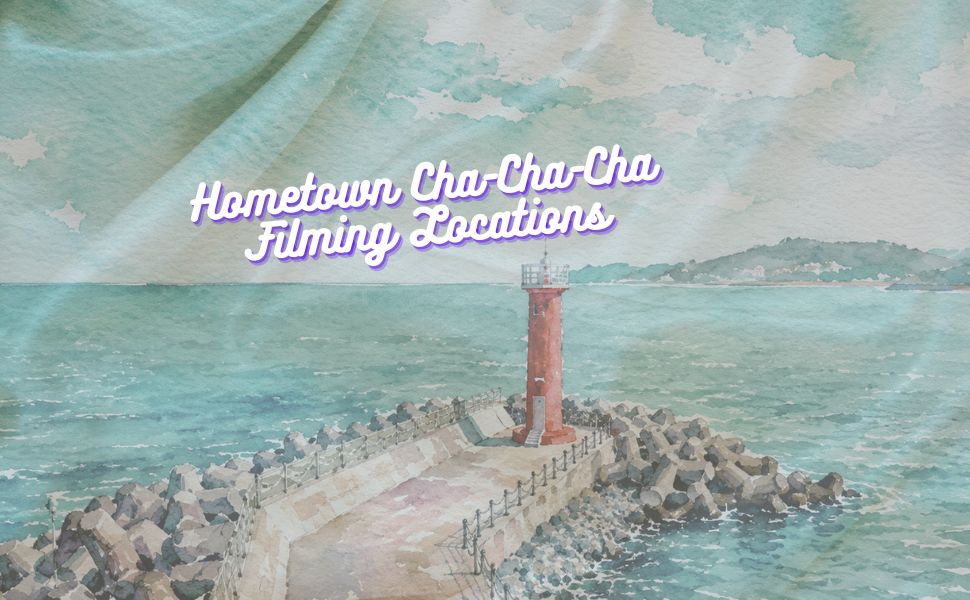
Cheongjin Hang East Breakwater – The Iconic Red Lighthouse
The red lighthouse scenes became some of the most visually recognizable moments in the series.
Located along the Cheongjin harbor area, this breakwater walkway offers dramatic views of the sea and instantly reminds fans of the quieter emotional scenes between Hye-jin and Chief Hong.
The contrast between the bright lighthouse and the deep blue ocean makes it especially photogenic around sunset. Waves crash against the rocks while fishing boats move slowly across the harbor, creating the same calm-but-melancholic feeling seen throughout the drama.
Because the walkway can become windy, especially during colder months, wearing comfortable shoes and bringing a light jacket is recommended.
For many fans, this location feels like stepping directly into the emotional world of Hometown Cha-Cha-Cha.
Igari Anchor Observatory – Pohang’s Most Scenic Coastal View
Even outside the drama fandom, Igari Anchor Observatory is one of Pohang’s most beautiful coastal attractions.
The observatory extends over the sea in the shape of a giant anchor, offering panoramic views of the coastline and the East Sea. While it was not always the central focus of scenes, it became associated with the drama’s coastal imagery after appearing in various shots connected to the village atmosphere.
This is one of the best photography spots in the region. The elevated perspective allows visitors to capture the ocean, cliffs, and shoreline all at once.
Try visiting either early in the morning or near golden hour for softer lighting and fewer crowds.
On windy days, the sound of the waves below the observatory adds to the healing atmosphere that made the drama so memorable.
How to Get to Hometown Cha-Cha-Cha Filming Locations
The easiest way to reach Pohang is by taking the KTX from Seoul to Pohang Station. The journey usually takes a little over two hours, making it possible even as a long day trip.
However, staying overnight is highly recommended if you want to fully experience the slower coastal vibe.
Because the filming locations are spread across different parts of Pohang, transportation planning matters. Renting a car gives you the most flexibility, especially if you want to visit multiple spots in one day. Taxis are another convenient option, and some visitors also use local taxi tours designed around K-drama filming locations.
Public transportation exists, but it can take significantly longer between locations.
If your schedule allows it, spending two days in Pohang creates a much more relaxed experience.
Best Time to Visit Pohang for a K-Drama Trip
Spring and autumn are generally the best seasons to visit Pohang.
During spring, the coastal roads become greener and the temperatures stay comfortable for walking. Autumn brings clearer skies, softer lighting, and cooler ocean air that fits perfectly with the healing mood of the drama.
Summer can still be beautiful, especially around the beaches, but weekends tend to become busier with domestic travelers.
Winter visits feel quieter and more emotional, particularly near the lighthouse and harbor areas. The ocean winds can be strong, but some fans actually prefer this atmosphere because it resembles the moodier scenes from the series.
Whenever possible, visit popular filming locations early in the morning on weekdays. The peaceful atmosphere feels much closer to the world of Gongjin before tourist crowds arrive.
Travel Tips for Visiting Real-Life Gongjin
Before visiting the filming locations, keep a few things in mind:
- Wear comfortable walking shoes because several coastal spots involve uphill roads or uneven paths.
- Bring a light jacket even during warmer months since ocean winds can become surprisingly strong.
- Download Korean navigation apps in advance because some smaller filming locations may not appear clearly on international map apps.
- Respect residential neighborhoods, especially around areas used for house filming locations.
- Plan cafe stops between locations because Pohang has many excellent ocean-view cafes scattered along the coastline.
Most importantly, do not rush through every spot simply to recreate scenes from the drama.
Part of what made Hometown Cha-Cha-Cha special was its slower pace. Pohang feels best when you allow yourself time to wander, pause, and enjoy the coastline without constantly checking the next destination.

2-Day Pohang Itinerary for K-Drama Fans
If you want to experience more than just the filming locations from Hometown Cha-Cha-Cha, spending two days in Pohang is the perfect balance. The city combines peaceful coastal scenery, famous sunrise spots, seafood markets, and several iconic K-drama filming locations along the East Sea.
Here is an easy 2-day Pohang itinerary that mixes filming locations with the city’s best attractions.
Day 1 – Coastal Views, Markets, and Sunset Spots
Your first day in Pohang should focus on the northern coastline, where modern landmarks and ocean views create the city’s signature atmosphere.
Morning: Hwanho Park Space Walk
Start the morning at Pohang’s most recognizable modern attraction.
The Space Walk is a massive steel sculpture that looks like a rollercoaster suspended above the city. Visitors can actually walk along the structure for panoramic views of the coastline, mountains, and urban skyline.
Early mornings are usually quieter and cooler, making the experience much more enjoyable.
Lunch: Jukdo Market
After the Space Walk, head to Jukdo Market for lunch.
This is one of the largest traditional seafood markets in Korea and one of the best places to try fresh Pohang seafood. Popular dishes include:
- mulhoe (cold raw fish soup)
- grilled fish
- snow crab
- seafood stews
Even if you are not a huge seafood fan, the atmosphere alone is worth experiencing.

Afternoon: Yeongildae Beach
Spend the afternoon walking along Yeongildae Beach, one of Pohang’s most famous coastal areas.
The beach is known for its long shoreline and the beautiful pavilion sitting above the water. Compared to Busan’s busier beaches, Yeongildae feels more relaxed and local.
This is also a great cafe-hopping area if you want a slower afternoon before sunset.
Sunset: Igari Anchor Observatory
End your first day at Igari Anchor Observatory.
The anchor-shaped observatory becomes especially beautiful during golden hour, when the East Sea reflects orange and pink tones across the coastline.
It is one of the most photogenic sunset spots in Pohang and fits perfectly with the healing mood many travelers associate with Korean coastal dramas.
Day 2 – Sunrise Views and Hometown Cha-Cha-Cha Filming Locations
Your second day is all about slower coastal scenery and famous K-drama locations.
Sunrise: Homigot Sunrise Square
Wake up early for one of Korea’s most famous sunrise destinations.
Homigot Sunrise Square is known for the giant “Hand of Harmony” sculptures, with one hand rising from the sea and the other standing on land. Watching the sunrise here feels surprisingly emotional, especially during colder months when the sky is extra clear.
Because Pohang sits along Korea’s eastern coast, sunrise views here are considered some of the best in the country.
Late Morning: Guryongpo Japanese House Street
Next, head to Guryongpo Japanese House Street.
This preserved historic district features early 20th-century buildings and narrow alleyways overlooking the harbor. Fans of When the Camellia Blooms may also recognize parts of this area from the drama.
The neighborhood has a nostalgic atmosphere that feels completely different from modern Korean cities.
Afternoon: Hometown Cha-Cha-Cha Filming Locations
Spend the rest of the day exploring the iconic filming spots from the drama, including:
- Cheongha Market
- Sabang Memorial Park
- Wolpo Beach
- Cheongjin Hang East Breakwater
Try not to rush through every location too quickly. Part of the charm of Gongjin comes from slowing down, walking along the coast, and enjoying the quieter side of Korea.
If you have extra time before leaving Pohang, stop by an ocean-view cafe near Cheongha or Wolpo Beach for one final sunset by the sea.
Where to Stay in Pohang
Many travelers choose to stay near Yeongildae Beach because the area has:
- ocean-view hotels
- cafes
- seafood restaurants
- easy taxi access to major attractions
It is also one of the most convenient areas for travelers visiting Pohang without a car.
For a more peaceful experience, some visitors prefer pensions or small stays closer to the coastal filming locations in Cheongha-myeon.
Why Hometown Cha-Cha-Cha Still Feels Special Years Later
Years after its release, Hometown Cha-Cha-Cha remains one of the most beloved healing K-dramas for a reason.
The series was never just about romance. It was about burnout, loneliness, community, and learning how to slow down. Gongjin represented a version of life many people secretly wish existed somewhere beyond crowded cities and stressful routines.
Visiting the real filming locations in Pohang feels emotional because those places still carry the same atmosphere seen in the drama. The fishing harbors remain quiet in the morning. The ocean still stretches endlessly beside the village roads. The sunsets still make the coastline glow gold in the evening.
For many fans, a trip to Pohang is not simply about checking filming locations off a list.
It is about briefly stepping into the peaceful world that Hometown Cha-Cha-Cha created so beautifully.
- Things to Do in South Korea in Autumn: Foliage, Festivals & a Season-by-Season Guide
- Where Is Netflix’s The Secret of Secrets Filmed? Inside Prague’s First Week on Set
- Where Was “The Magic Faraway Tree” (2026) Filmed?
- Mousetrap” (2026) Netflix K-Drama: Everything We Know So Far
- Where Was Spider-Man: Brand New Day (2026) Filmed?
