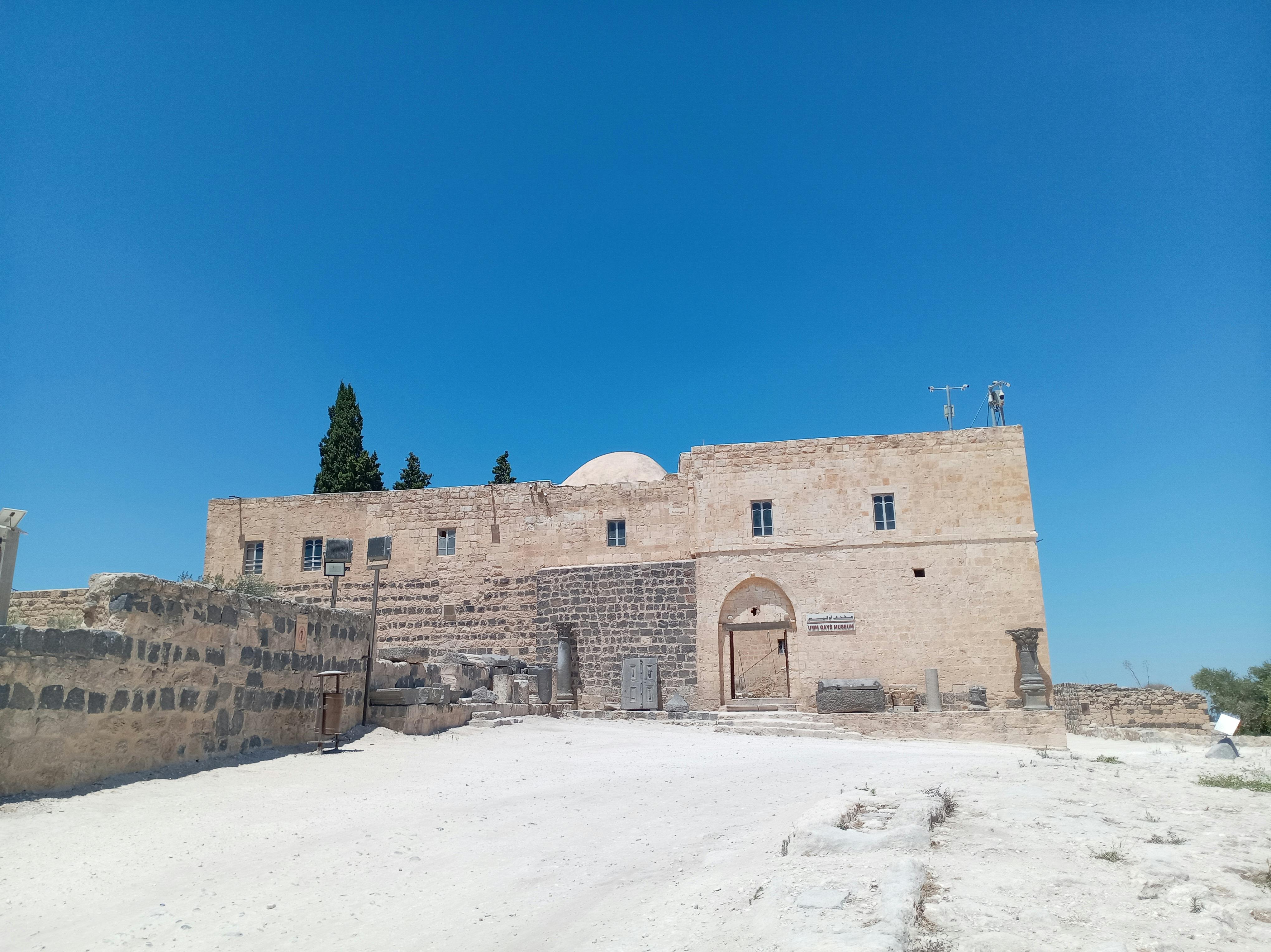
There are places in the world that feel like stories before you ever see them, and the Middle East is one of those places. It is a region layered with memory, faith, poetry, history, and breathtaking landscapes that feel larger than life. Here, ancient cities sit beside futuristic skylines. Desert silence meets ocean blue. Sacred places, warm hospitality, deep culture, and extraordinary beauty all live together in one region that feels both deeply grounded and constantly evolving.
Traveling the Middle East is not only about visiting destinations. It is about feeling time stretch differently. It is about walking streets that have witnessed thousands of years of human life, standing in front of monuments you have seen in history books, tasting food that carries tradition, and meeting people whose kindness is often the most unforgettable part of the journey.

This hub is a space to explore the Middle East gently and meaningfully. To understand its diversity beyond stereotypes. To discover modern cities like Dubai and Doha, heritage wonders like Petra and the Pyramids, soulful places like Jerusalem and Shiraz, and wild landscapes like Wadi Rum, the Red Sea, and endless golden deserts. Whether you come for culture, faith, adventure, luxury, or simply curiosity, the Middle East has a way of surprising you, grounding you, and staying with you long after you leave.
How to Think About the Middle East as a Travel Destination
The Middle East is not a place you “fit into a category.” It is not only desert, not only religion, not only luxury skylines, and not only ancient ruins. It is a region of contrasts and harmonies, where modern life and deep heritage exist side by side. Understanding this helps shape your expectations in a more grounded, appreciative way.

This is a region where history feels alive. Cities are not just destinations but living museums of culture, faith, and human resilience. At the same time, the Middle East is incredibly modern in parts, leading in architecture, innovation, hospitality, and urban experiences. You can move from a thousand-year-old marketplace to a futuristic skyline in one day, and both feel equally real and meaningful.
It is also a region defined by people. Hospitality here is not a concept, it is a lived value. Travelers often remember conversations, shared meals, unexpected kindness, and human warmth even more than landmarks.
Finally, the Middle East asks you to slow down and approach with openness. Come with curiosity rather than assumptions. Come ready to listen, learn, feel, and discover a region that is far more layered, emotional, and beautiful than any single narrative can describe.
Middle East Travel Destinations by Travel Intention
One of the most meaningful ways to plan a Middle East journey is to begin with intention. Instead of asking “Where should I go?”, it is often more powerful to ask “What do I want this journey to feel like?” Because the Middle East can be many different things depending on where you stand: deeply spiritual, wildly adventurous, luxuriously modern, breathtakingly natural, or softly emotional in ways you might not expect.
If your heart is drawn to history and heritage, this region feels like a treasure chest of human civilization. From ancient cities carved in stone to biblical landscapes, Persian architecture, Ottoman old towns, and UNESCO sites that feel almost unreal, this is where time layers itself beautifully.
If you’re longing for modern cities, luxury, and futuristic experiences, places like Dubai, Abu Dhabi, Doha, and Riyadh feel like stepping into tomorrow. Think towering skylines, desert resorts, world-class dining, architectural icons, theme parks, glamorous shopping, and surprisingly creative cultural spaces.
If your intention is nature, raw landscapes, and adventure, the Middle East offers towering deserts, dramatic mountains, red canyons, surreal salt lakes, lush wadis, and coastlines where the sea meets endless sky. Hiking, desert camping, stargazing, scuba diving, hot air ballooning, and off-road adventures become emotional experiences, not just activities.
If you travel for culture, connection, and human stories, you’ll find communities where tradition is alive — call to prayer echoing through old towns, souks filled with color and scent, Bedouin tea under desert stars, shared meals, and conversations that quietly stay with you.
And if what you need most is simply warmth, beauty, and slow emotional grounding, the Middle East offers gentle rhythm too — coastal cities, peaceful oases, artistic neighborhoods, spa retreats, slow evenings by the sea, and the comforting feeling of being wrapped in hospitality.
In the next sections, we’ll dive deeper into destinations, famous highlights, quieter gems, and practical realities, so you can match your Middle East journey to the experience your heart is actually looking for.
Well-Known vs Lesser-Known Middle East Destinations
The Middle East is full of world-famous places travelers dream about, but it is also home to quieter destinations that surprise you in the best possible way. Understanding both helps you balance comfort, discovery, and the emotional tone of your journey.

Well-Known Middle East Destinations
These are the names most travelers instantly recognize — iconic, cinematic, and often appearing on bucket lists for years.
United Arab Emirates (Dubai & Abu Dhabi)
Think futuristic skylines, glamorous resorts, world-class malls, desert adventures, and architectural icons like Burj Khalifa and the Sheikh Zayed Grand Mosque. It is polished, exciting, and incredibly easy to travel.
Jordan (Petra, Wadi Rum, Dead Sea)
Jordan feels like walking through history while also standing inside landscapes that look unreal. Petra is emotional and majestic, Wadi Rum feels like Mars under the stars, and the Dead Sea offers a surreal natural experience you will remember forever.
Israel & Palestine (Jerusalem, Tel Aviv, Bethlehem)
This is where history, spirituality, culture, and modern life exist side by side. Sacred sites, vibrant cities, Mediterranean energy, and emotionally layered places make it a deeply human destination.
Turkey (Istanbul, Cappadocia, Antalya)
Where East meets West. Istanbul offers astonishing architecture and culture, Cappadocia brings fairy-tale skies filled with hot-air balloons, and the Mediterranean coast delivers endless blue and sunshine.

These destinations are popular for a reason — they are beautifully structured for travelers, rich in experiences, and full of unforgettable moments.
Lesser-Known Middle East Destinations
Then there are places that don’t always dominate travel headlines, yet quietly create some of the most meaningful memories.
Oman
Peaceful, culturally rich, incredibly welcoming, and naturally stunning. Think dramatic mountains, turquoise wadis, historic forts, desert dunes, and an atmosphere that feels calm and deeply authentic.
Saudi Arabia (Beyond the Cities)
A newer tourism frontier with monumental ancient sites like AlUla, dramatic desert landscapes, history that stretches thousands of years, and a sense of discovery that few regions in the world still offer.
Qatar & Bahrain
Smaller, elegant, and culturally layered. Doha blends modern design with tradition, museums, desert safaris, and coastline escapes, while Bahrain offers history, pearl-diving heritage, and a softer cultural rhythm.
Lebanon
A place of mountains, Mediterranean coastline, wine regions, ancient ruins, artistic neighborhoods, and a spirit that feels heartfelt and deeply human.

Iran (for travelers able to visit depending on visa and political context)
Known for its breathtaking architecture, poetic culture, warm hospitality, and cities like Isfahan, Shiraz, and Yazd that feel like living art.
Lesser-known destinations reward travelers who are curious, open-hearted, and willing to go beyond the usual map. They offer fewer crowds, stronger cultural connection, and often a sense of discovery that feels incredibly personal.
Both sides of the Middle East matter — the iconic and the quietly beautiful. The right choice simply depends on who you are as a traveler, what experiences you value most, and how you want your journey here to truly feel.
Practical Realities of Traveling in the Middle East
The Middle East can feel emotional, inspiring, and deeply memorable — but understanding the practical side of travel here helps you plan better and feel more confident on the ground. This region is incredibly diverse, and travel experiences can vary widely between countries, so realistic expectations make the journey far smoother and more rewarding.
Distance, Logistics, and Travel Style
Flights to the Middle East are generally well-connected thanks to major airline hubs like Dubai, Doha, Abu Dhabi, and Istanbul. Many destinations are easy to pair together, but others require more planning, especially if borders, flight routes, or political conditions affect movement. Give yourself time, avoid rushing, and plan thoughtfully — the Middle East is a place where slower, intentional travel feels far richer.
Budget and Cost Expectations
Costs vary dramatically depending on where you go. Ultra-modern cities like Dubai or Doha can feel luxurious and premium, while places like Jordan, Turkey, or Lebanon can range from mid-budget to affordable depending on travel style. Accommodation spans everything from desert camps and boutique riads to global luxury brands. With a bit of planning, the Middle East can suit many styles of travel.
Weather, Seasonality, and Climate
Heat is one of the biggest considerations. Summers can be extremely hot, especially in Gulf countries, making winter and shoulder seasons far more comfortable. Some destinations are best experienced in cooler months, while others shine year-round. Checking seasonal timing matters not just for comfort, but also for enjoying outdoor landscapes, heritage sites, and desert experiences.
Culture, Dress, and Respect
The Middle East is deeply rooted in tradition, faith, and community values. Dress codes may be more modest in certain countries, especially outside major tourist zones. Respect for local customs, religious spaces, and social norms creates more positive, meaningful interactions. A sense of cultural awareness not only shows respect but often opens doors to warmth, hospitality, and deeper connection.
Safety, Perception, and Reality
Much of the Middle East is far safer and more welcoming than headlines suggest. Major cities and tourism hubs are highly developed with strong infrastructure. Still, it is always wise to stay informed, follow local guidance, understand visa rules, and check current travel advisories. With awareness and preparation, most travelers find the region surprisingly comfortable and incredibly kind.
Connectivity and Comfort
Modern cities offer excellent internet, transport, and facilities; other destinations may feel more traditional and slower-paced. This contrast is part of the region’s charm. Whether you need reliable connectivity for navigation and communication or welcome the chance to disconnect for a while, planning ahead helps shape the kind of travel rhythm you want.
Understanding these realities doesn’t take away the magic of the Middle East. It makes the journey richer, more grounded, and far more rewarding — allowing you to experience not only beauty and history, but also human warmth and depth in one of the world’s most meaningful regions.
How to Choose the Right Middle East Destination for You
Choosing where to go in the Middle East is less about finding “the safest” or “the most famous” place and more about matching the region to the experience you want your journey to feel like. The Middle East is emotionally rich, visually powerful, and incredibly diverse, so clarity of intention can help you design a trip that truly resonates.
Start with the kind of atmosphere you want.
If you dream of futuristic skylines, luxury experiences, world-class dining, and polished city exploration, destinations like Dubai, Abu Dhabi, and Doha feel exciting, comfortable, and endlessly entertaining. If you want timeless landscapes and ancient wonder, Jordan, Oman, and parts of Turkey offer cinematic scenery and soulful encounters with history.
Think about how deeply you want to engage with culture and heritage.
Some travelers come here to feel the depth of faith, tradition, storytelling, and identity woven into daily life. Others are drawn to places where modern lifestyle blends effortlessly with history. There is no right or wrong — just choosing the rhythm that feels right for you.
Consider pace and emotional energy.
Do you want peaceful nature, slow conversations, tea under desert stars, and quiet reflection? Or do you want vibrant nightlife, lively streets, and bold modern cities? The Middle East offers both — just in very different destinations.
Be realistic about logistics, comfort level, and travel experience.
Some countries are incredibly beginner-friendly with excellent infrastructure and clear tourism systems. Others feel more adventurous, raw, or emotionally layered, best suited for travelers who are curious, patient, and open-hearted.
And finally, leave room for surprise.
Many travelers come for one iconic place — Petra, Cappadocia, Dubai’s skyline — but leave with softer, unexpected memories: a conversation in a café, hospitality from a stranger, a viewpoint at sunset, a moment that made the region feel human and close.
When your destination aligns with your intention, the Middle East stops feeling like a place defined by stories you heard elsewhere and becomes a deeply personal journey of discovery, beauty, and connection.
FAQs About Traveling in the Middle East
Is the Middle East safe for travelers?
Many Middle Eastern destinations are far safer than global perception suggests. Cities like Dubai, Abu Dhabi, Doha, Muscat, Amman, and Istanbul are well-developed, organized, and generally very welcoming. As with anywhere, staying informed, respecting local rules, and checking current travel advisories helps ensure a smooth experience.
Is the Middle East suitable for first-time travelers?
Yes. Places like the UAE, Qatar, Oman, Jordan, and Turkey are especially beginner-friendly thanks to strong infrastructure, modern facilities, and clear tourism systems. Other destinations may feel more adventurous or culturally layered but can still be rewarding with preparation.
What is the best time to visit the Middle East?
Cooler months (typically October to April) are ideal for many countries, especially Gulf destinations and desert regions where summers can be extremely hot. Shoulder seasons often provide great weather with fewer crowds. Always check the climate of the specific country you plan to visit.
Is travel in the Middle East expensive?
It depends on where you go. Luxury-focused cities like Dubai or Doha can feel premium, while Jordan, Turkey, Lebanon, and parts of Oman can be mid-range or more flexible depending on travel style. Street food, local guesthouses, and smart planning help balance budgets.
What should I wear when traveling in the Middle East?
Modesty is generally appreciated, especially outside resort areas. Covered shoulders and knees are a good guideline in many places, and respectful attire is essential when visiting religious sites. Major cities are often more relaxed, but cultural awareness always creates better experiences.
Can I travel independently or should I join a tour?
Both options work. Countries like UAE, Qatar, Turkey, and Jordan are easy to explore independently, while guided tours can be useful in more remote areas or destinations where logistics are complex. It often comes down to comfort level and the kind of experience you want.
Will I find good internet and transportation?
Major cities and tourism hubs offer excellent connectivity, modern airports, efficient highways, and plenty of transport options. More remote desert regions and smaller towns may feel slower and less connected — which many travelers actually love as part of the experience.
Is the Middle East welcoming to travelers?
Absolutely. Hospitality is deeply rooted in Middle Eastern culture. Many travelers describe their most memorable moments here as human ones — conversations, kindness from locals, and a warmth that feels genuine and unforgettable.
Explore More Regional Travel Hubs
If you’re dreaming beyond the Middle East, these other regional hubs can help you understand each part of the world more deeply, choose the right destination, and plan smarter, more meaningful journeys.
- Asia Travel Hub – A beautifully diverse region where ancient traditions, futuristic cities, street food culture, and breathtaking landscapes come together in unforgettable ways.
- Europe Travel Hub – A world of history, culture, architecture, storytelling cities, and soulful travel moments layered across centuries.
- North America Travel Hub – From iconic cities to national parks, cinematic road trips, and cultural diversity that feels endlessly inspiring.
- South America Travel Hub – A region where passion, nature, rhythm, heritage, and raw emotion shape every travel experience.
- Africa Travel Hub – A continent of powerful landscapes, deep heritage, wildlife encounters, and journeys that change the way you see the world.
- Oceania Travel Hub – A place of space, nature, island serenity, indigenous culture, and travel experiences that feel grounding and expansive.